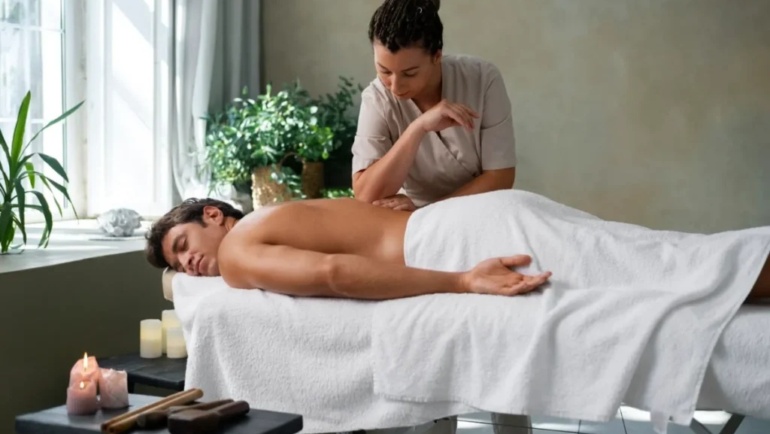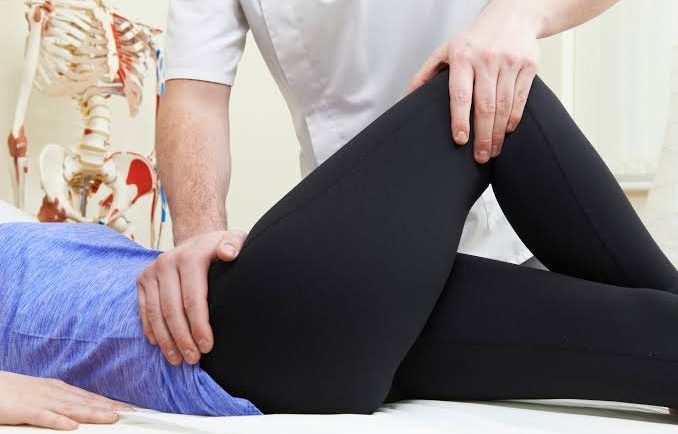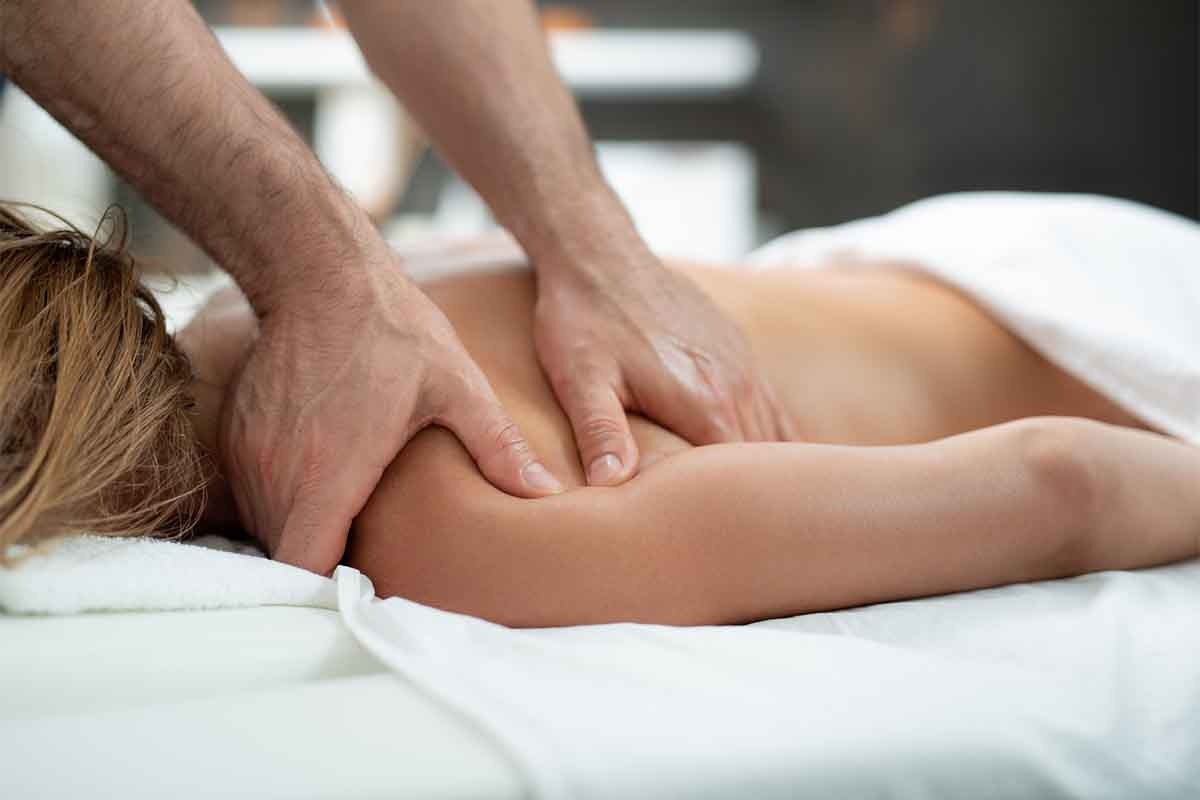
Swedish and deep tissue massage are two popular massage techniques, but they serve different purposes. Swedish massage is generally associated with relaxation, gentle to moderate pressure, and flowing movements. Deep tissue massage uses slower, more targeted pressure to address areas of persistent muscle tension.
Choosing between them depends on your goals, pressure preferences, physical condition, and the type of discomfort you want to address. Understanding how each technique works can help you select a treatment that suits your needs.
What Is a Swedish Massage?
Swedish massage is a hands-on technique that uses long, gliding strokes, kneading, circular movements, and varying levels of pressure. It is commonly chosen by people who want to relax, ease general muscle tightness, and enjoy a full-body treatment.
If you are researching what is a swedish massage, the key point is that this approach typically focuses on overall relaxation and general muscular comfort rather than intensive work on specific areas.
A Swedish massage session may include:
- Effleurage: Long, smooth strokes that help warm the tissues and distribute massage oil.
- Petrissage: Kneading and lifting movements applied to soft tissues.
- Friction: Controlled circular or cross-fibre movements used in selected areas.
- Tapotement: Rhythmic tapping or percussive movements, when appropriate.
- Gentle joint movements: Comfortable movements that may be incorporated into the session.
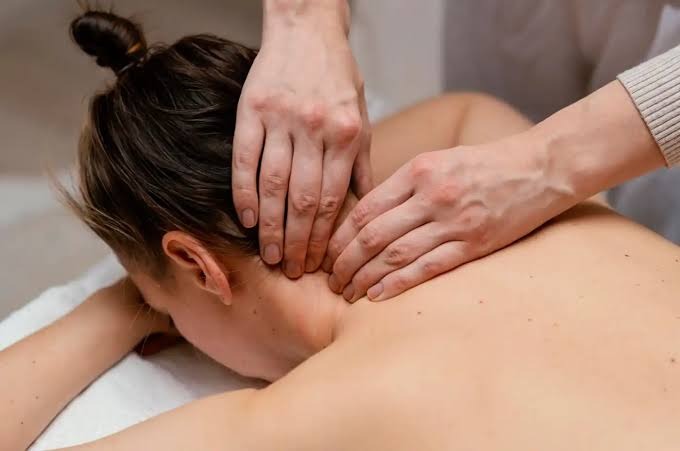
The practitioner can adjust the pressure according to your preferences. Swedish massage does not have to be extremely light, but the techniques generally involve more flowing movements than a deep tissue session.
Techniques Used in Swedish Massage
Swedish massage combines several manual techniques rather than relying on one type of movement. The practitioner may alternate between broad strokes and more focused kneading to address areas that feel tight.
The pressure is usually adjusted gradually, allowing the client to communicate what feels comfortable. This makes the technique a common choice for people who prefer a relaxing treatment without sustained, intensive pressure.
A session may focus on the back, shoulders, legs, arms, or the whole body, depending on the client’s preferences and the service selected.
What Is Swedish Massage Typically Used For?
Swedish massage is commonly selected for relaxation and temporary relief from general muscular tension. It may be suitable for people who experience stiffness after sitting for long periods, have physically demanding routines, or simply want time to unwind.
Potential benefits include:
- Promoting relaxation and reducing perceived stress.
- Temporarily easing general muscle tightness.
- Helping some people feel less stiff after everyday activities.
- Supporting a sense of physical comfort and well-being.
- Providing a comfortable introduction to professional massage.
The effects vary between individuals. Swedish massage should not be considered a guaranteed treatment for chronic pain, an injury, or an underlying medical condition.
What Is a Deep Tissue Massage?
Deep tissue massage uses slower strokes and more targeted pressure to work on areas of muscle tension and surrounding connective tissue. The practitioner may concentrate on specific muscle groups instead of using the same movements across the entire body.
People searching for what is a deep tissue massage are often trying to understand whether this technique is simply a stronger version of Swedish massage. Although both approaches can use kneading and sustained pressure, deep tissue massage generally involves more focused work on selected areas.
A deep tissue session may be considered when someone experiences:
- Persistent muscular tightness.
- Areas of tension associated with repetitive movements.
- Muscle discomfort following demanding physical activity.
- Stiffness that seems concentrated in particular muscle groups.
- A preference for slower, more targeted manual techniques.
Deep tissue massage should not automatically be painful. Pressure must be adapted to the person’s comfort and physical condition, and the practitioner should respond if a technique causes sharp pain or significant discomfort.
Techniques Used in Deep Tissue Massage
Deep tissue massage typically uses controlled, deliberate movements. A practitioner may apply sustained pressure with the fingers, thumbs, palms, or forearms, depending on the area being treated and the technique used.
Common characteristics include:
- Slow strokes: Gradual movements that allow the practitioner to focus on specific tissues.
- Targeted pressure: Concentrated work on areas that feel particularly tense.
- Focused kneading: Manual techniques applied to selected muscle groups.
- Gradual progression: Pressure may be increased carefully when appropriate and tolerated.
The practitioner should avoid forcing pressure into sensitive areas. More intense treatment is not necessarily more effective, and the client’s feedback remains important throughout the session.
When Is Deep Tissue Massage Appropriate?
Deep tissue massage may be worth considering when the main goal is to address specific areas of muscular tension rather than simply relax the whole body.
For example, someone who regularly performs strength training or repetitive physical work may prefer a session focused on the shoulders, back, or legs. However, soreness can have different causes, and deep pressure is not appropriate for every type of discomfort.
A practitioner should ask about relevant health conditions, recent injuries, and current symptoms before proceeding. If pain is unexplained, severe, or accompanied by swelling, weakness, or numbness, medical assessment may be more appropriate than massage.
Swedish vs. Deep Tissue Massage: Key Differences
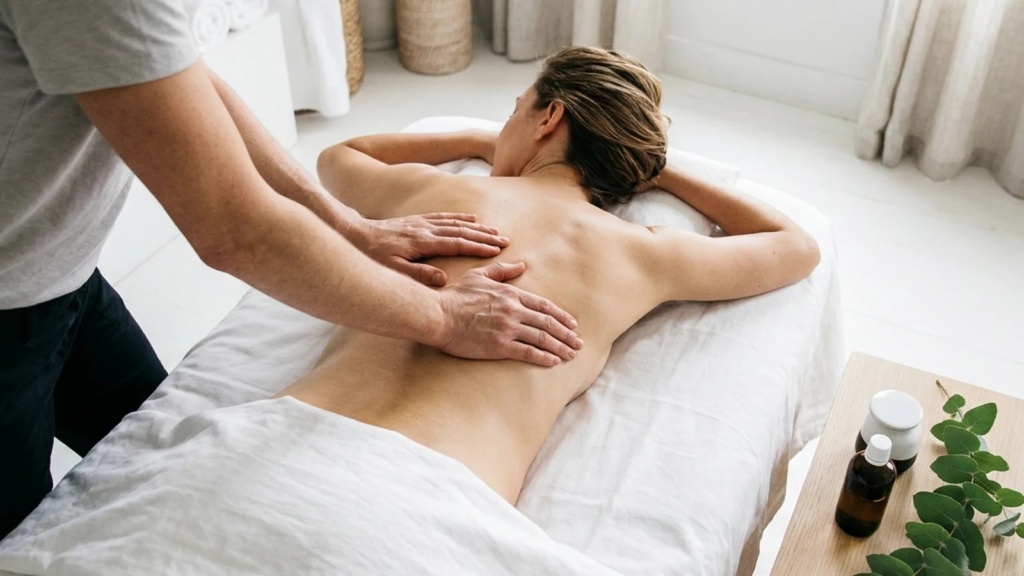
The main distinction between Swedish and deep tissue massage is the combination of pressure, technique, and treatment goals. Swedish massage generally prioritises relaxation and broad, flowing movements, while deep tissue massage focuses more on specific areas of muscular tension.
Pressure and Massage Techniques
Swedish massage usually incorporates smooth strokes, rhythmic movements, and kneading across broader areas of the body. The pressure can vary, but the overall approach is often more flowing and less concentrated.
Deep tissue massage typically involves slower movements and sustained pressure on selected areas. The practitioner may spend more time working on particular muscles rather than moving continuously between body regions.
Neither technique has to follow a rigid pressure level. A Swedish massage can be adjusted to feel firmer, while a deep tissue session should remain within a tolerable range.
Goals and Potential Benefits
The choice often comes down to what you want from the session.
Swedish massage may be more suitable if your priorities include relaxation, general comfort, and a less intensive experience. Deep tissue massage may be more appropriate if you want targeted work on areas of persistent muscular tension.
Consider these differences:
- Relaxation: Swedish massage is commonly selected for a calming, full-body experience.
- Localised tension: Deep tissue massage may suit people who want more focused work on particular muscle groups.
- Pressure preference: Swedish massage often feels gentler, while deep tissue techniques may feel more intense.
- General stiffness: Either approach may help some people feel more comfortable, depending on the cause of the stiffness.
- Specific symptoms: Persistent or unexplained pain may require professional assessment before selecting a massage technique.
Massage outcomes vary, and neither approach guarantees lasting relief. The best choice depends on your individual circumstances and the practitioner’s assessment.
Comfort and Sensitivity During Treatment
Comfort is an important part of both massage techniques. Swedish massage often provides a gentler experience, which may be preferable for people who are sensitive to pressure or new to massage.
Deep tissue massage can produce a feeling of strong pressure or temporary tenderness, especially when working on tight muscles. However, sharp pain, numbness, or a feeling that the pressure is intolerable should never be treated as a necessary part of the process.
Before the session, tell the practitioner about your pressure preferences, sensitive areas, and any relevant health concerns. Communicate during treatment if the pressure needs to be reduced or changed.
Session Length and Recovery
Both techniques can be offered in sessions of different lengths, depending on the provider and the areas being treated. Swedish massage may cover much of the body, while deep tissue massage can devote more time to a smaller number of muscle groups.
After Swedish massage, many people can return to their usual activities immediately. Following deep tissue massage, some people experience temporary tenderness, particularly after more intensive work.
To support comfort after either treatment:
- Drink fluids according to your normal needs.
- Avoid additional intense pressure on areas that feel tender.
- Resume physical activity according to how you feel.
- Tell your practitioner if discomfort persists or is more intense than expected.
Significant or worsening pain after a session should not be dismissed as a normal recovery response.
Swedish Massage vs. Deep Tissue Massage: Which Is Better for Your Needs?
There is no universally better option. The most suitable technique depends on whether your main goal is relaxation, general muscular comfort, or more targeted work on specific areas.
Choosing Swedish Massage for Relaxation
Swedish massage may be a good starting point if you want to unwind, prefer flowing movements, or find intense pressure uncomfortable.
It may suit people who:
- Want a relaxing full-body session.
- Experience general muscle tightness after everyday activities.
- Prefer light to moderate pressure.
- Are trying professional massage for the first time.
- Want a treatment that can be adjusted to their comfort level.
You can explore Swedish Massage to learn more about this approach and whether it matches your preferences.
Choosing Deep Tissue Massage for Muscle Tension
Deep tissue massage may be worth considering if you prefer more focused pressure on selected muscle groups. It can be particularly relevant when the main concern is persistent muscular tightness rather than general relaxation.
You may want to consider it if you:
- Experience recurring tension in specific areas.
- Prefer slower, more targeted manual techniques.
- Have physically demanding work or exercise routines.
- Want to discuss a focused treatment plan with a practitioner.
You can learn more about Deep Tissue Massage before deciding whether it is appropriate for your needs.
If you are unsure which technique to choose, discuss your goals and health history with a practitioner. A suitable treatment should be based on your symptoms, comfort level, and any relevant contraindications rather than pressure alone.
Can You Combine Swedish and Deep Tissue Massage?
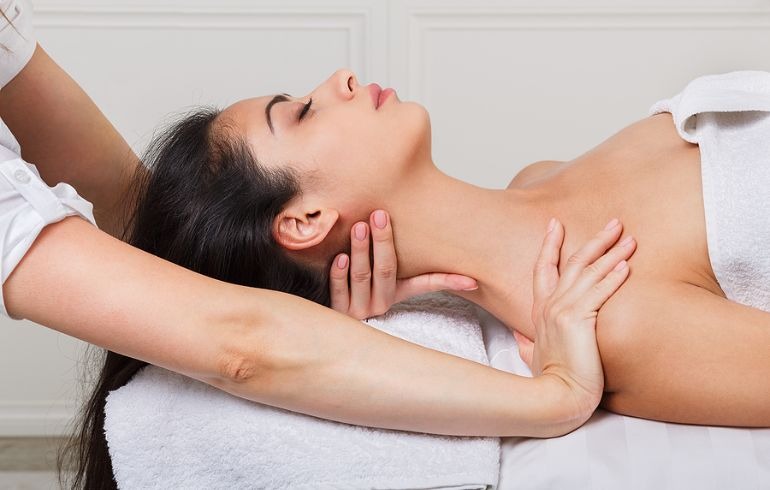
Yes. Depending on your needs, a practitioner may combine techniques from Swedish and deep tissue massage during one session. For example, a session may begin with broader, flowing strokes before moving to more focused work on a particularly tense area.
A combined approach may be useful when you want general relaxation while also addressing specific areas of muscular tightness. The techniques and pressure should be selected according to your preferences and physical condition.
Before combining approaches, consider the following:
- Explain which areas feel tense and what you want to achieve.
- Tell the practitioner whether you prefer gentle or firmer pressure.
- Discuss recent injuries, medical conditions, or unusual symptoms.
- Ask for adjustments if any technique feels uncomfortable.
Combining techniques does not mean that every area needs deep pressure. A practitioner should select the methods that best suit the session’s purpose.
How to Choose the Right Massage for You
Choosing between Swedish and deep tissue massage becomes easier when you focus on your main goal rather than assuming that firmer pressure will produce better results.
Use these general guidelines:
- Choose Swedish massage if relaxation, general comfort, and flowing movements are your priorities.
- Consider deep tissue massage if you want more focused work on specific areas of muscular tension.
- Discuss a combined approach if you want relaxation alongside targeted treatment.
- Ask about pressure adjustments if you are unsure how sensitive you are to massage.
- Seek medical advice first if you have unexplained pain, a recent injury, significant swelling, or symptoms such as numbness or weakness.
For people comparing options, the phrase swedish massage meaning refers to understanding the techniques and purpose of this relaxation-focused approach. In contrast, deep tissue massage meaning describes a method that uses slower, more targeted pressure on areas of tension.
Ultimately, the right choice is the one that fits your goals, comfort level, and health needs. Professional guidance can help you make an informed decision and avoid techniques that may be unsuitable for your condition.