How Manual Lymphatic Drainage Works
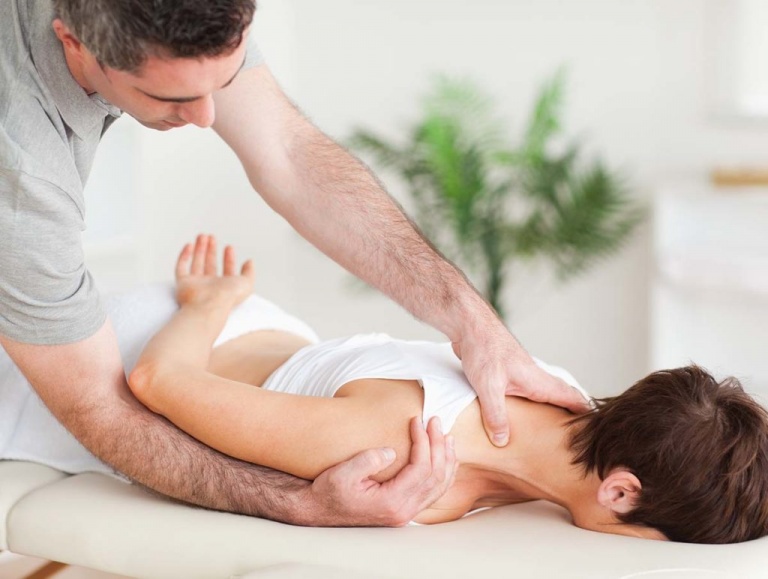
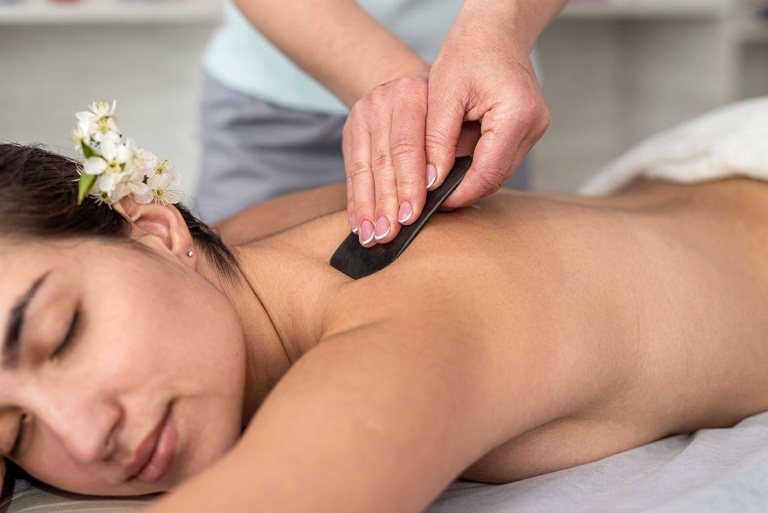
Manual lymphatic drainage uses light, rhythmic movements designed to encourage lymph fluid toward functioning lymphatic pathways. Because lymph vessels are located close to the surface of the body, this technique does not require deep pressure.
The therapist works in a deliberate sequence rather than simply massaging the area where swelling is present. Depending on your needs, a manual lymphatic drainage massage may involve different areas of the body to support the direction in which fluid needs to move.
How Is Lymphatic Drainage Different From Regular Massage?
Manual lymphatic drainage and traditional massage use different techniques and serve different purposes.
| Manual Lymphatic Drainage | Traditional Massage |
| Uses gentle, superficial movements | May use a range of pressure levels and techniques |
| Focuses on supporting lymph fluid movement | Often focuses on muscle tension, relaxation, or soft-tissue discomfort |
| Follows a specific sequence based on lymphatic pathways | Techniques vary according to the type of massage and treatment goals |
| Requires consideration of swelling, medical history, and contraindications | Also requires health screening, depending on the technique and individual circumstances |
The appropriate approach depends on your symptoms, health history, and reason for seeking treatment.
When Lymphatic Massage May Be Recommended
Lymphatic drainage massage may be considered to help manage certain types of swelling, fluid accumulation, and a feeling of heaviness or tightness. It may form part of a care plan for people experiencing:
- Swelling associated with lymphedema.
- Fluid accumulation after certain surgical procedures.
- Changes in lymphatic flow following lymph node removal or treatment.
- A feeling of heaviness or tightness in an affected area.
For post-surgical treatment, your surgeon’s approval is essential. For lymphedema, lymphatic drainage may be combined with compression and other recommended treatments as part of comprehensive care.
Learn more about timing, potential benefits, and precautions in our Lymphatic Drainage Massage After Surgery: A Complete Recovery Guide.
What to Expect From Lymphatic Drainage in Manhattan
Your first session begins with a discussion of your health history, current symptoms, and the reason for your visit. This information helps the therapist determine which areas should be addressed and whether the technique is appropriate for you.
During the session:
- Pressure remains light. The technique works with superficial lymphatic pathways rather than applying deep pressure to muscle tissue.
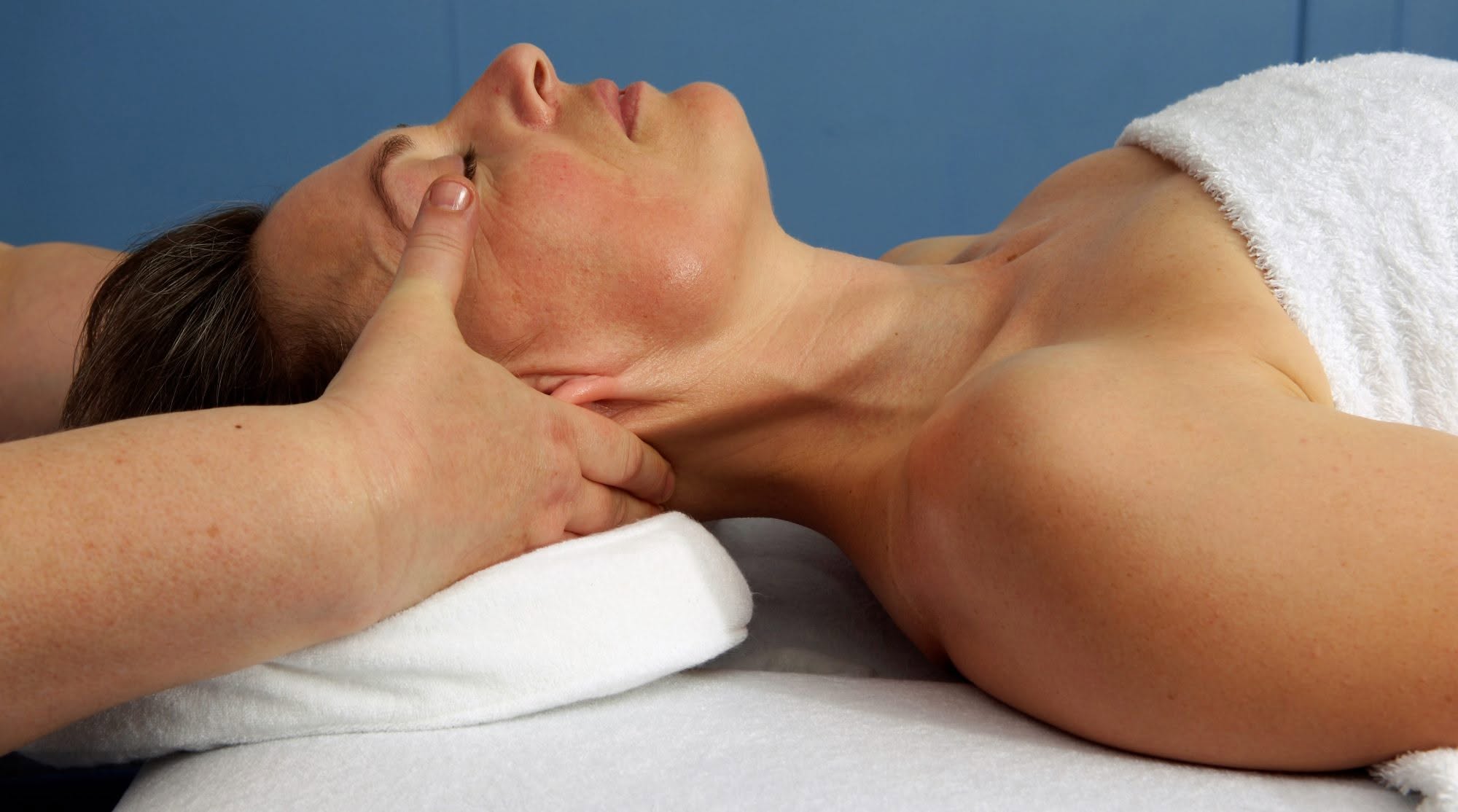
- Movements are slow and rhythmic. The therapist uses controlled, repetitive strokes in a specific sequence.
- More than one area may be addressed. The session is not necessarily limited to where you notice swelling because lymphatic pathways elsewhere may also need to be considered.
- The approach is individualized. The sequence and areas treated depend on your needs, medical history, and response during the session.
The session should feel gentle and should not involve the intense pressure associated with deep tissue work.
How to Prepare for Your Appointment
Before your lymphatic drainage massage, be ready to discuss your medical history, current symptoms, medications, and any recent surgery or medical treatment. This information helps the therapist understand your needs and identify precautions.
If you are recovering from surgery, obtain clearance from your surgeon before booking and follow any instructions about areas that should not be treated.
If you have persistent or unexplained swelling, seek medical assessment before arranging a massage. Contact the practice before your appointment if you are unsure whether the treatment is appropriate for you.
When Lymphatic Drainage Should Be Avoided
Because swelling can have many causes, there are situations where lymphatic work should be postponed or cleared by a healthcare provider first.
Tell your therapist before the appointment if you have:
- An active infection or fever. Lymphatic drainage may not be appropriate until the condition has resolved.
- A known or suspected blood clot or DVT. Massage should not be performed without appropriate medical guidance.
- Heart or kidney problems. Conditions that affect fluid balance require medical assessment before lymphatic work.
- Recent surgery or ongoing medical treatment. Your therapist needs to understand your recovery status and any instructions from your healthcare team.
- New or unexplained swelling. The underlying cause should be evaluated rather than assuming massage is the appropriate first step.
Always provide an accurate health history so the therapist can determine whether the session should proceed, be modified, or require medical clearance.
Lymphatic Drainage at Lenox Hill Massage & Physical Therapy
Lenox Hill Massage & Physical Therapy is located at 261 E 78th St on Manhattan’s Upper East Side. We offer lymphatic drainage massage using gentle, individualized techniques to support lymphatic fluid movement and help manage certain types of swelling when treatment is appropriate.
Our approach to lymphatic care may include manual lymphatic drainage, bandaging, skincare, and compression garments when appropriate to the individual’s needs and care plan.
When choosing a lymphatic drainage massage provider in NYC, consider the therapist’s relevant training, experience, understanding of contraindications, and ability to adapt treatment to your needs.
If you have lymphedema, are recovering from surgery, or have an underlying medical condition, consult your healthcare provider about whether manual lymphatic drainage is appropriate for you.
Explore our other Massage Therapy services or contact Lenox Hill Massage & Physical Therapy to learn more about lymphatic drainage massage and arrange an appointment.
Book Your Lymphatic Drainage Session
Our licensed therapists at Lenox Hill Massage & Physical Therapy tailor every session to your needs, comfort and goals. Book online in a few clicks or call us – we are happy to answer your questions and help you choose the right treatment.