

Medical massage uses targeted techniques to address specific areas of muscle tension, discomfort, and restricted movement. At Lenox Hill Massage & Physical Therapy in Manhattan, each session is tailored to your concerns and can complement a broader treatment or recovery plan when appropriate.
60 Minutes | $140
Who Is Medical Massage Therapy For?
Medical massage therapy may be appropriate for people whose needs go beyond general relaxation. Rather than following the same full-body routine for every client, the therapist can focus on specific areas based on your symptoms, physical demands, and treatment goals.
People may consider medical massage if they:
- experience persistent or recurring muscle tension in the back, neck, shoulders, hips, or other areas;
- have soreness or stiffness related to work, exercise, or repetitive movements;
- are managing ongoing musculoskeletal discomfort with guidance from a healthcare professional;
- are returning to activity after certain injuries and have been cleared for massage;
- spend long periods sitting, standing, or performing physically demanding tasks;
- have specific areas of tightness that affect comfortable movement.
If you have recently had surgery, sustained an acute injury, or have a medical condition that could affect your response to massage, discuss this with your healthcare provider and therapist before treatment.
Conditions We Treat With Medical Massage
Many clients come to us with pain that has lasted for weeks or keeps coming back. Medical massage for pain focuses on the muscles and soft tissues around the problem area, and the session is planned around where it hurts and what makes it worse.
- Back pain. Tension in the lower or upper back from long hours of sitting, lifting or poor posture.
- Neck and shoulder pain. Stiffness that makes it hard to turn your head or raise your arm, often linked to desk work or stress.
- Sciatica. Pain that runs from the lower back down the leg. The therapist works on the surrounding muscles, including the glutes and lower back, to ease tension in the area.
- TMJ. Jaw tightness, clicking or soreness. Work is focused on the muscles of the jaw, face and neck.
- Recovery after injury. Sprains, strains and other injuries, once your doctor has cleared you for massage.
Chronic pain needs a slower approach. When discomfort has lasted for months, medical therapeutic massage can be one part of a wider care plan, working with tight muscles and restricted tissue that add to the pain. Massage does not diagnose the cause, so pain that is getting worse or has no clear reason should be checked by a doctor first.
How often to come back is discussed after your first medical massage treatment, once the therapist sees how your body responds.
Benefits of Medical Massage
Unlike a relaxation-focused session, medical massage is generally directed toward specific physical concerns. The techniques and areas treated can be adjusted according to what you are experiencing and how your body responds during the appointment.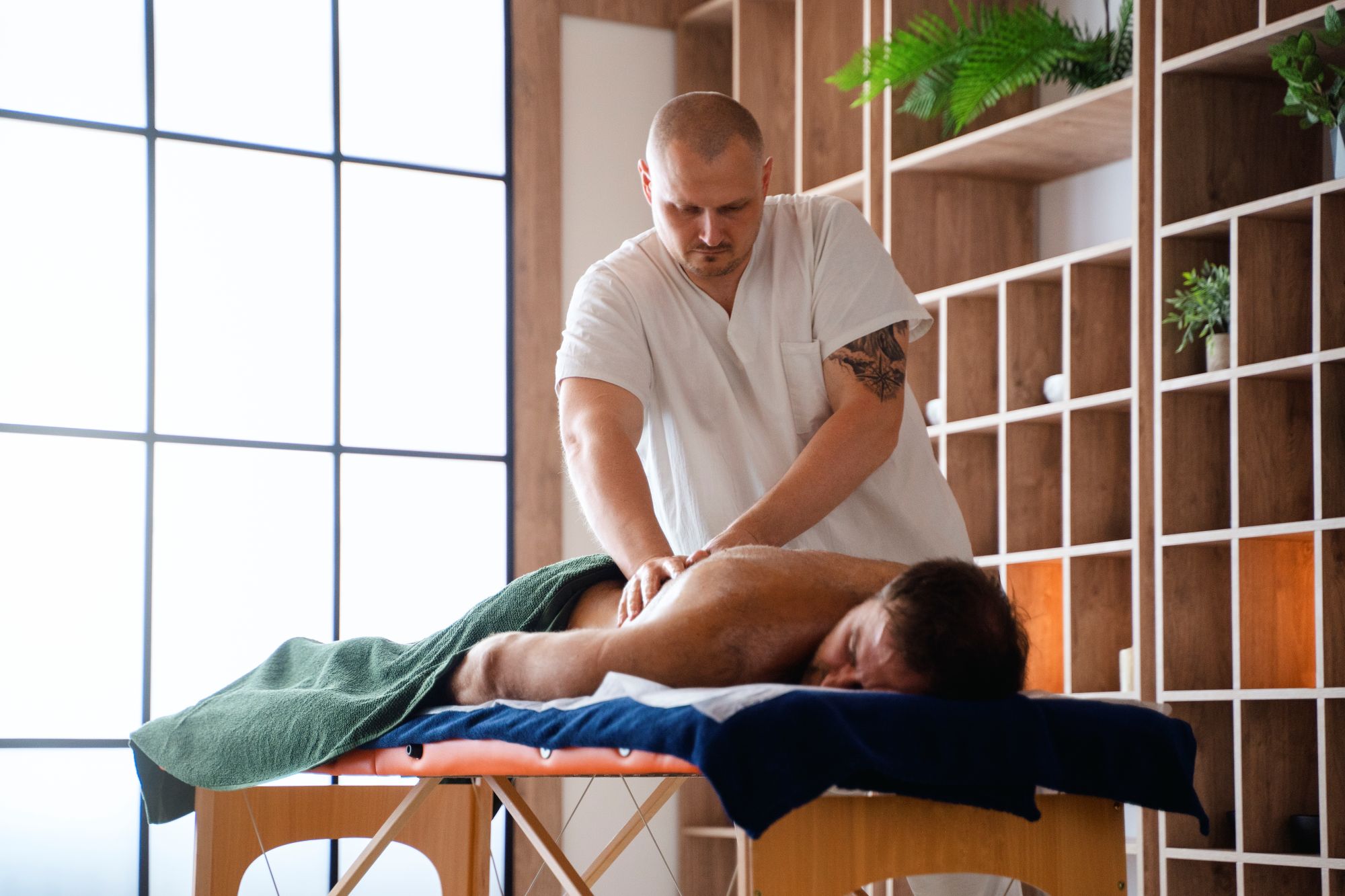
Depending on your individual needs, medical massage may help:
- Reduce muscle tension and stiffness in areas that feel persistently tight or overworked.
- Address localized soreness and sensitivity with focused hands-on techniques.
- Support comfortable movement and mobility by working with muscles and soft tissues that feel restricted.
- Target muscle tension related to repetitive activity from work, exercise, or everyday movement patterns.
- Complement physical therapy or another care plan when massage is appropriate for your condition and goals.
- Provide focused work on specific areas rather than using the same techniques and pressure throughout the body.
- Promote physical relaxation while addressing areas that require more targeted attention.
The goals of a session can change over time. Your therapist can adjust the focus based on your response to previous treatment, current symptoms, and any recommendations provided by your healthcare professional.
Medical massage is complementary care. It should not be used as a substitute for medical evaluation when pain is severe, unexplained, worsening, or accompanied by other concerning symptoms.
Techniques Used in Therapeutic Medical Massage
Therapeutic medical massage can incorporate different hands-on methods rather than relying on a single technique. The approach is selected according to the area being treated, your comfort with pressure, and the goals of the session.
Techniques may include:
- Myofascial techniques: Sustained pressure and movement can be used to work with areas of tightness or restriction in the fascia and surrounding soft tissues.
- Trigger point techniques: Focused pressure may be applied to localized areas of muscle tightness when appropriate and tolerable.
- Deep tissue techniques: Slower movements and firmer pressure can be used to work with deeper areas of muscular tension.
- Neuromuscular techniques: Targeted soft-tissue work may be incorporated to address specific patterns of muscle tension and sensitivity.
- Gentle soft-tissue techniques: Lighter pressure can be used when an area requires a more conservative approach or greater sensitivity is present.
The therapist may combine techniques within the same appointment rather than using one method from beginning to end. Pressure should remain appropriate for your needs, and you should tell your therapist if any technique causes sharp, severe, or unusual pain.
The techniques used can also change between appointments as your symptoms, mobility, and treatment goals evolve.
Medical Massage and Physical Therapy in One Clinic
Lenox Hill is a medical massage clinic that also offers physical therapy, so you can get both without going to two different places. This helps when muscle tension slows down recovery after an injury or when stiffness makes rehab exercises harder to do.
The two services work on different parts of the problem. Massage eases tight muscles and soft tissue. In physical therapy, the focus is on movement, strength and stability through exercise. Before the session, tell your medical massage therapist what you are working on in rehab, and the massage can be adjusted to support it.
Medical Massage Care in Manhattan
Lenox Hill Massage & Physical Therapy provides medical massage at our Upper East Side location at 261 E 78th St in Manhattan. Our massage and physical therapy services allow care to be approached with attention to both your immediate areas of tension and your broader musculoskeletal needs.
If you are searching for medical massage near me, our Upper East Side location provides convenient access for clients in NYC who want targeted massage care based on their individual concerns.
We accept major health insurance plans, including Aetna, UnitedHealthcare, Blue Cross Blue Shield and Medicare, for eligible services. Your medical massage cost depends on your coverage, referral requirements and plan conditions, so we recommend confirming your benefits before your appointment.
Learn more about Lenox Hill Massage & Physical Therapy and the services available at our practice. If you have questions about medical massage, insurance coverage, or whether this type of session may be appropriate for you, contact our team.


