How Can TMJ Massage Help With Jaw Discomfort?
Tight jaw muscles can make everyday activities such as chewing, speaking or opening your mouth feel uncomfortable. When muscle tension is part of the problem, targeted massage may help relax the affected tissues and reduce associated discomfort.
Depending on your needs, TMJ massage may help with:
- Easing tension in the jaw, cheeks and temples.
- Reducing muscular tightness associated with clenching.
- Relieving tension that extends into the neck and surrounding areas.
- Supporting more comfortable jaw movement.
- Promoting relaxation when stress contributes to muscle tension.
Results vary depending on the cause of your symptoms. Massage does not correct every TMJ disorder, so persistent or severe jaw pain should be evaluated by a qualified healthcare professional.
Who Can Benefit From Massage for TMJ?
A targeted session may be worth considering if you experience jaw tightness, facial muscle tension or discomfort that seems connected to clenching or grinding your teeth. Some people also notice tension around the temples or neck after long periods of stress or concentration.
Massage for TMJ may be suitable for people who:
- Notice tightness around the jaw during stressful periods.
- Experience muscular soreness after clenching or grinding.
- Feel tension around the cheeks or temples.
- Have jaw muscle discomfort during everyday activities.
However, jaw pain can have several causes, including dental problems and joint conditions. If your symptoms are new, worsening or accompanied by swelling, locking or difficulty opening your mouth, seek professional evaluation before booking a massage.
What to Expect During a Jaw Tension Massage
Your session begins with a conversation about your symptoms, where you feel discomfort and what movements aggravate it. Your therapist can use this information to determine which areas may benefit from focused attention and discuss the level of pressure that feels comfortable.
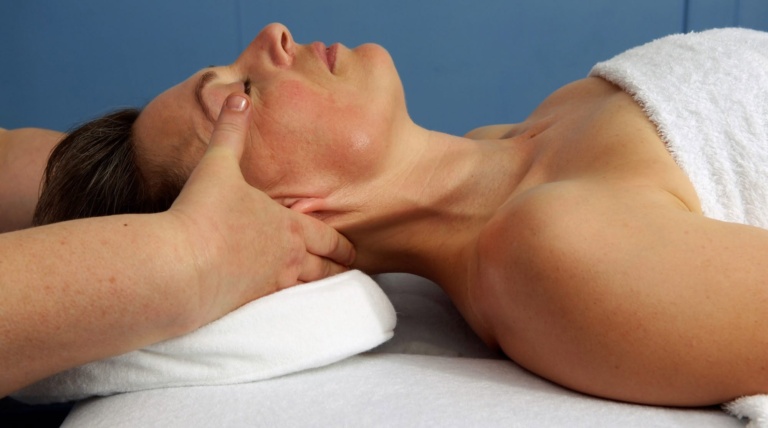
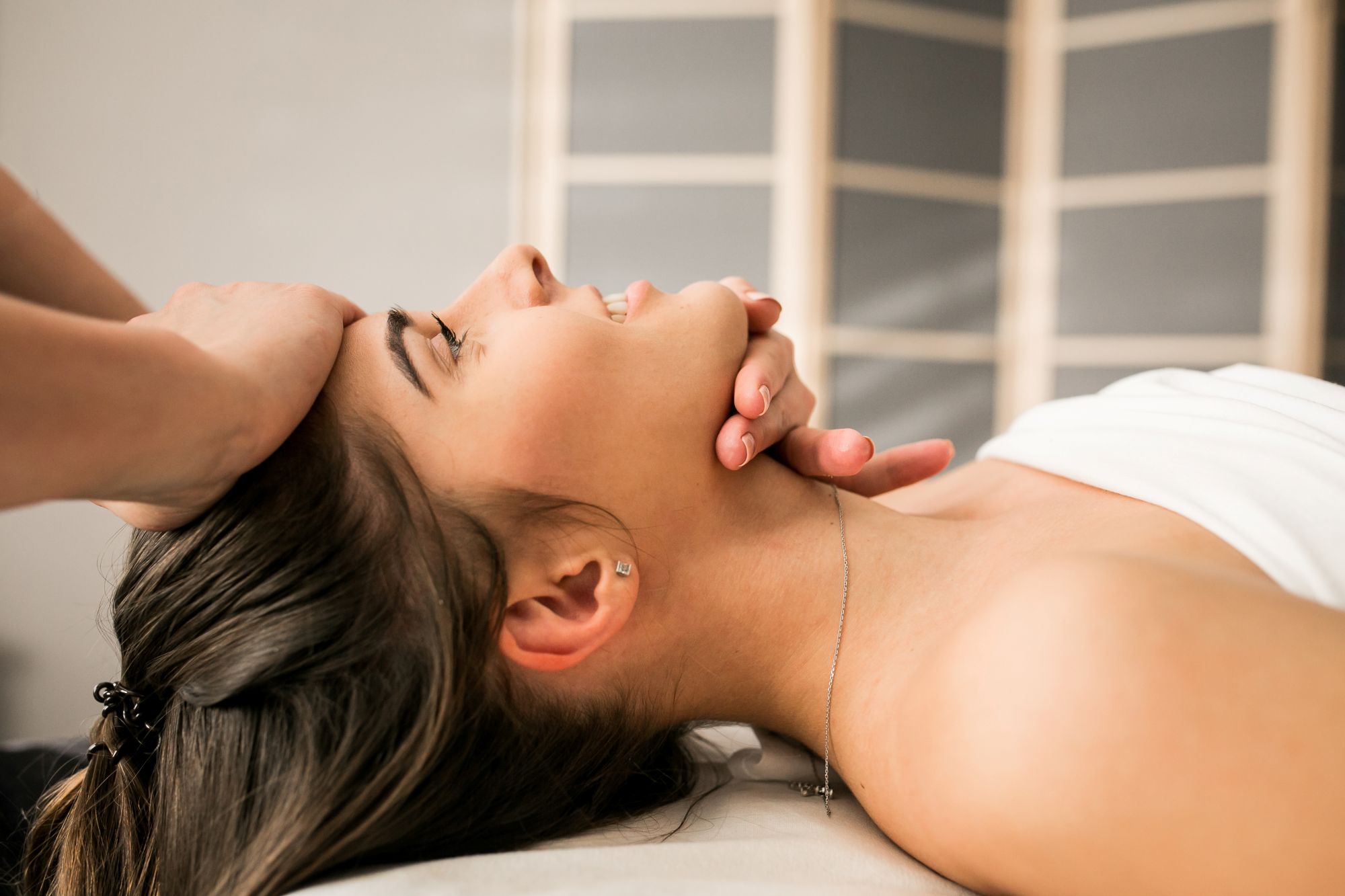
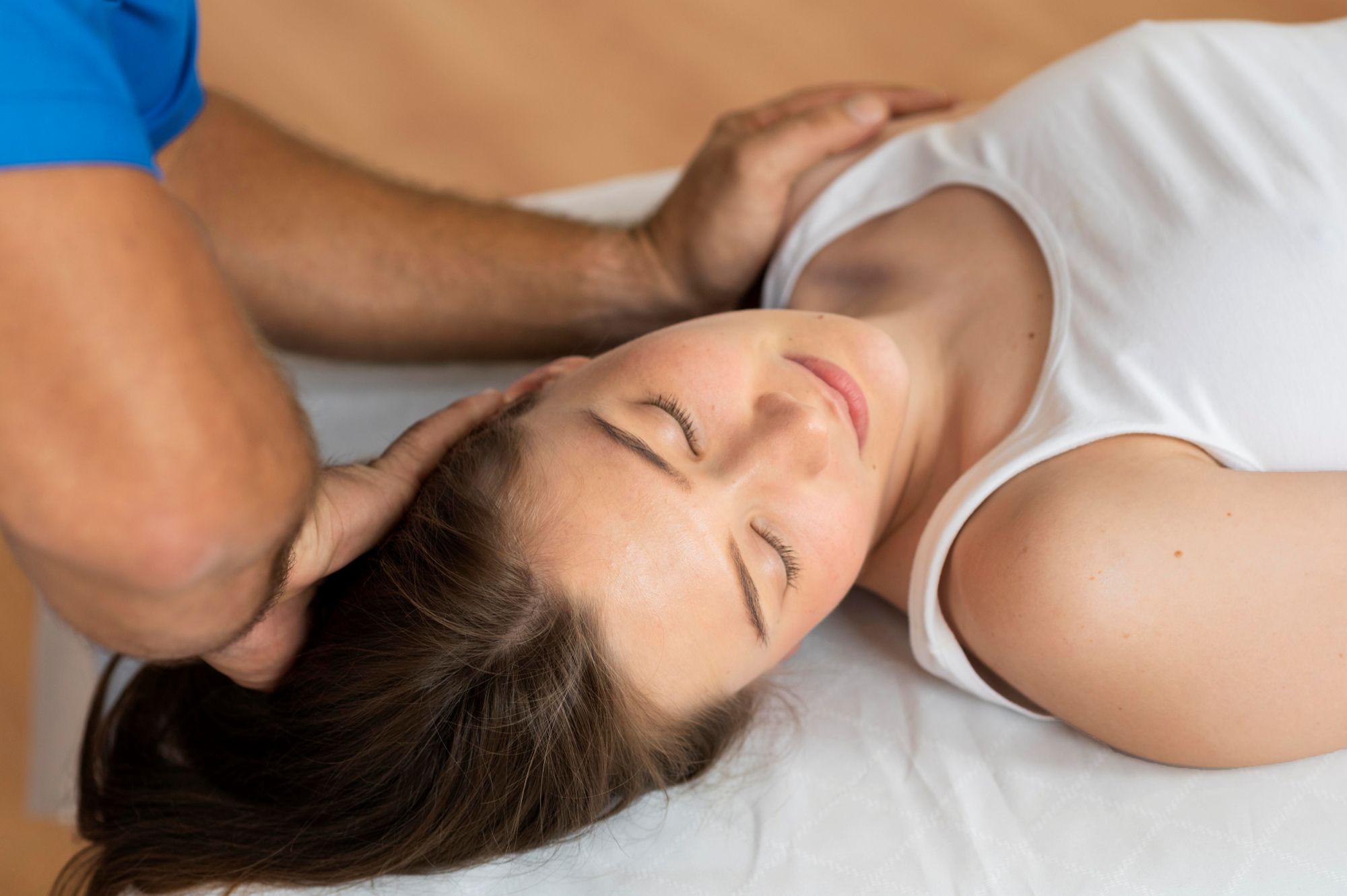
A jaw tension massage may involve gentle, targeted work on accessible muscles around the jaw and temples, with attention to surrounding areas when appropriate. Techniques should be adjusted to your sensitivity and response throughout the session.
Communication is important. Let your therapist know if any movement or pressure causes pain, and do not expect deep pressure to be necessary for effective treatment. The approach should prioritize comfort and remain appropriate for your individual condition.
Why Choose Lenox Hill Massage & Physical Therapy?
Choosing a massage provider means finding a team that listens to your concerns and adapts treatment rather than following the same routine for everyone. At Lenox Hill Massage & Physical Therapy, sessions are personalized according to your goals, comfort and areas of tension.
Our practice is located at 261 E 78th St on Manhattan’s Upper East Side, making it convenient for local residents and visitors seeking focused massage care. If you are considering TMJ massage NYC, our team can help you discuss your concerns and determine whether massage is an appropriate option or whether another type of evaluation may be needed.
Book Your TMJ Massage in New York
If jaw muscle tension is affecting your comfort, the first step is finding an approach that fits your needs. Lenox Hill Massage & Physical Therapy offers personalized care in a convenient Manhattan location, with attention to your symptoms and comfort throughout the session.
Contact our team to ask about treatment options and appointment availability. If you are looking for TMJ massage in New York, call 646-755-8838 or visit our practice at 261 E 78th St, New York, NY 10075, to discuss your needs and schedule a visit.
Book Your TMJ Massage Session
Our licensed therapists at Lenox Hill Massage & Physical Therapy tailor every session to your needs, comfort and goals. Book online in a few clicks or call us – we are happy to answer your questions and help you choose the right treatment.