
Headaches and migraines can interfere with work, sleep, and everyday activities. When muscle tension in the neck and shoulders contributes to discomfort, massage or physical therapy may be worth considering. At Lenox Hill Massage & Physical Therapy, available services can be discussed based on your symptoms and individual needs.
How Massage Can Help Relieve Headache Symptoms
Different types of headaches have different causes and symptoms. Understanding these differences can help determine which approach may be appropriate.
| Type of headache | Common symptoms | Potential approach |
| Tension-type headache | Pressure or tightness around the head, sometimes accompanied by neck and shoulder tension | Massage may help relieve associated muscle tension. |
| Migraine | Moderate to severe head pain, sometimes with nausea and sensitivity to light or sound | Massage may be considered for associated muscle tension if tolerated. |
| Cervicogenic headache | Pain associated with structures in the neck, sometimes with restricted neck movement | Physical therapy may address relevant mobility and muscle function limitations. |
Massage does not treat every cause of headache, and its effects vary from person to person. Recurrent, changing, or unexplained headaches should be evaluated by a healthcare professional.
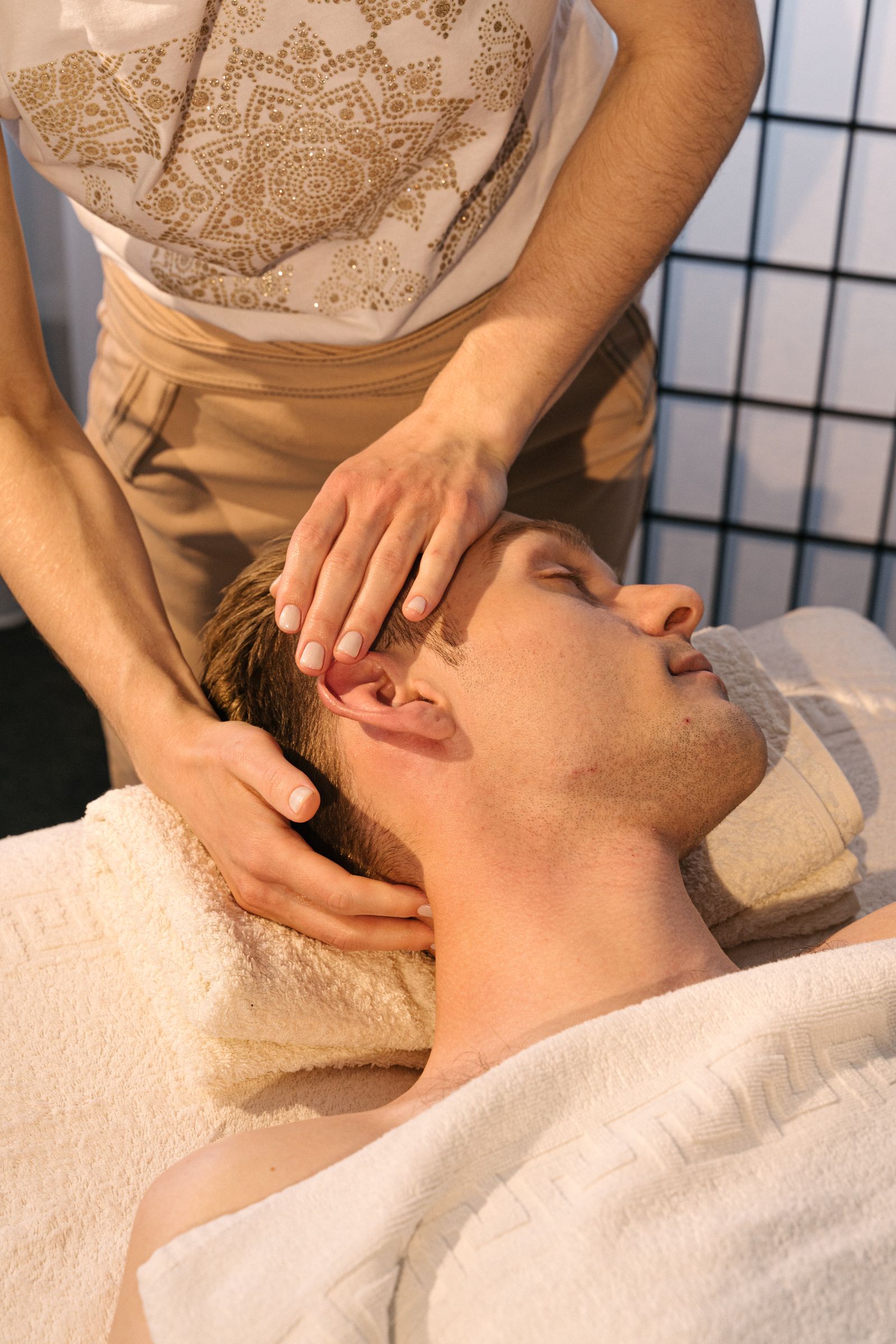
Massage for Tension Headaches
Tension-type headaches may involve a feeling of pressure or tightness around the head. Some people also experience tension in the neck, shoulders, and upper back, particularly after prolonged desk work or maintaining the same posture for extended periods.
Tension headache massage may focus on the muscles around the neck, shoulders, and upper back. Gentle techniques may help reduce associated muscle tension and promote relaxation.
Massage therapy for tension headaches can be considered as a complementary approach when muscle tightness is part of the problem. Potential areas of focus include:
- Neck and shoulder muscles that feel tight or overworked.
- Upper back tension associated with prolonged sitting.
- Gentle techniques adjusted to individual comfort and sensitivity.
The therapist should adjust pressure and techniques according to your comfort, especially if touch or movement aggravates your symptoms.
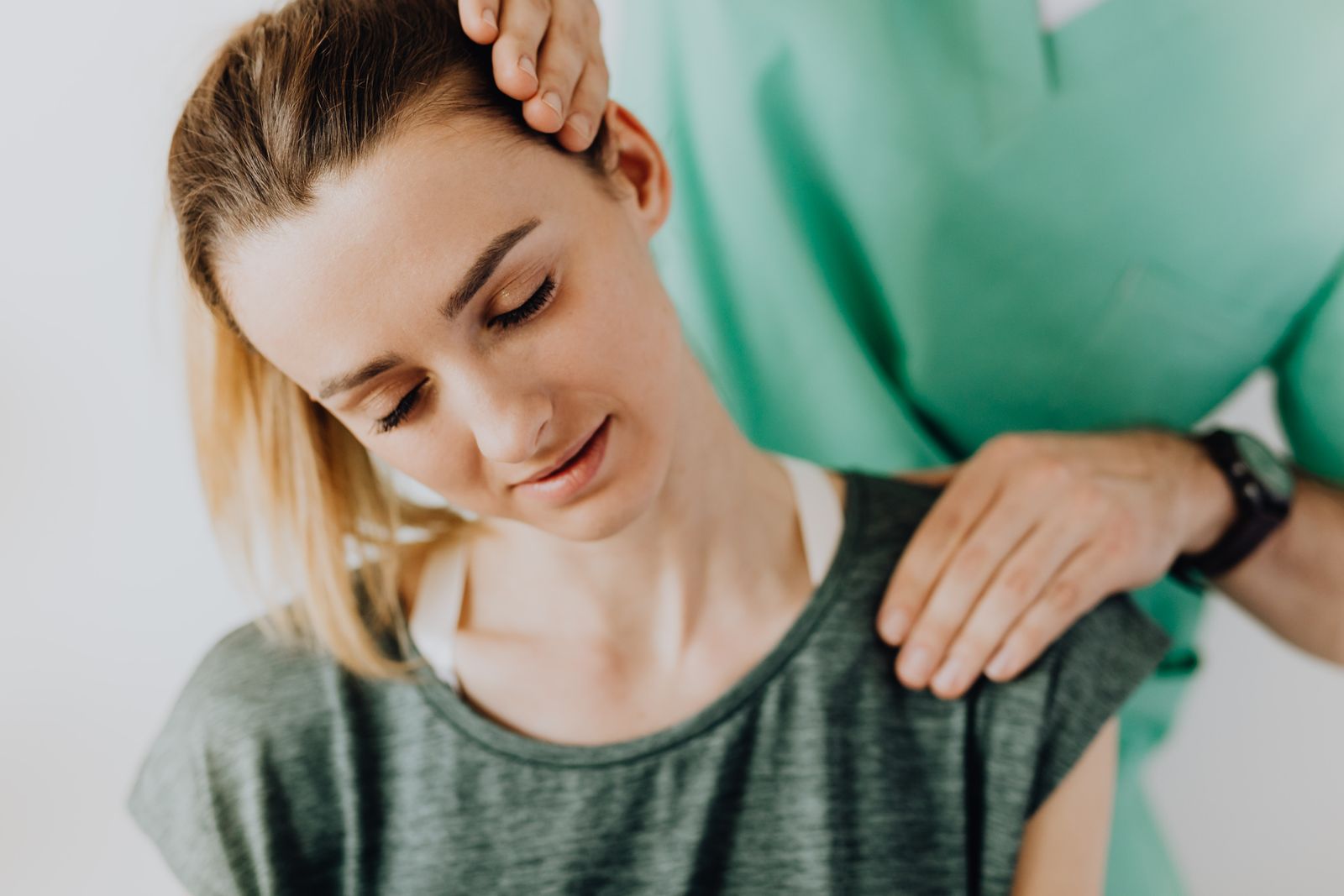
Massage for Migraine-Related Tension
Migraines are neurological episodes that can cause intense head pain, nausea, and sensitivity to light or sound. Some people also experience neck discomfort or muscle tightness before or during an episode.
Migraine massage may be an option to discuss when muscle tension is a concern, but massage is not an established treatment for every migraine and may worsen discomfort during an acute episode.
Before considering a session, keep in mind that:
- Touch and pressure may feel uncomfortable during an active migraine.
- Treatment should be adapted to your symptoms and sensitivity.
- Massage should not replace appropriate migraine evaluation or medical treatment.
If touch, pressure, or movement increases your symptoms, avoid the session and consult your healthcare professional.
Physical Therapy for Headaches and Neck Pain
Neck stiffness, reduced mobility, and muscle dysfunction may contribute to certain types of headache. Headache physical therapy may focus on assessing movement patterns and addressing relevant limitations through individualized exercises and mobility work.
Depending on the assessment, treatment may include:
- Gentle neck mobility exercises.
- Strengthening exercises for relevant muscle groups.
- Movement training to address functional limitations.
- Guidance on modifying activities that aggravate symptoms.
Physical therapy is not appropriate for every headache condition. A healthcare professional can help determine whether neck-related factors may be contributing to your symptoms and whether rehabilitation is suitable.
Physical Therapy for Cervicogenic Headaches
Cervicogenic headaches originate from structures in the neck and may cause pain that spreads toward the back or side of the head. Symptoms can sometimes be associated with restricted neck movement or discomfort when turning the head.
Cervicogenic headache physical therapy may involve an individualized assessment followed by appropriate mobility exercises, strengthening, and movement retraining.
Depending on the assessment findings, treatment may focus on:
- Improving comfortable neck movement.
- Addressing relevant muscle weakness.
- Developing better movement control.
- Adapting exercises to symptoms and functional goals.
If headaches are persistent or accompanied by significant neck pain, seek professional evaluation before beginning treatment.
Headache Massage at Lenox Hill Massage & Physical Therapy
Located at 261 E 78th St on Manhattan’s Upper East Side, Lenox Hill Massage & Physical Therapy offers massage and physical therapy services for people seeking support with muscle tension and movement limitations.
If you are considering a massage for headaches, discuss your symptoms and goals with the team before scheduling. You can learn more about our:
Massage and physical therapy are not substitutes for medical assessment when headaches are new, severe, changing, or unexplained. Seek urgent medical care for a sudden, extremely severe headache or one accompanied by weakness, confusion, fainting, fever with a stiff neck, or new vision or speech difficulties.
Frequently Asked Questions
01.Can Massage Help With Tension Headaches?
02.Is Massage Appropriate During a Migraine?
03.Can Physical Therapy Help With Cervicogenic Headaches?
04.Should I Choose Massage or Physical Therapy for Headaches?
- Massage may help address associated muscle tension.
- Physical therapy may focus on neck mobility and function when relevant.
A healthcare professional can help guide your decision.