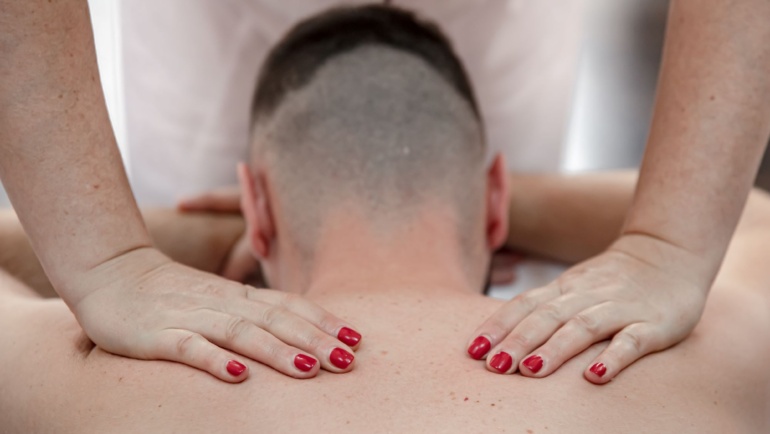
Back pain can develop after prolonged sitting, repetitive activity, exercise, or sustained muscle tension. When discomfort is primarily related to tight or overworked muscles, targeted massage may help reduce tension and make movement feel easier. It is not, however, a universal treatment for every cause of back pain.
Deep tissue work uses slow, deliberate pressure to reach deeper layers of muscle and connective tissue. The goal is not to make the session as painful as possible. A trained therapist adjusts the depth, angle, and pace of each stroke according to the tissues being treated and the client’s response.
How Deep Tissue Massage for Back Pain May Work
Deep tissue work may be helpful when back discomfort is associated with muscle tightness, overuse, restricted soft tissue, or protective muscle guarding. By applying gradual pressure and controlled strokes, a therapist can work with tense muscles and surrounding fascia without forcing the area.
Potential short-term effects may include:
- reduced muscular tension and stiffness;
- easier, more comfortable movement;
- temporary reduction in pain related to tight muscles;
- greater awareness of posture and habitual tension;
- relaxation that may reduce stress-related muscle guarding.
The response varies from person to person. The available research suggests that massage may offer short-term benefits for some people with low-back pain, but evidence about long-term effects remains limited. It should therefore be viewed as one possible part of a broader care plan rather than a guaranteed cure.
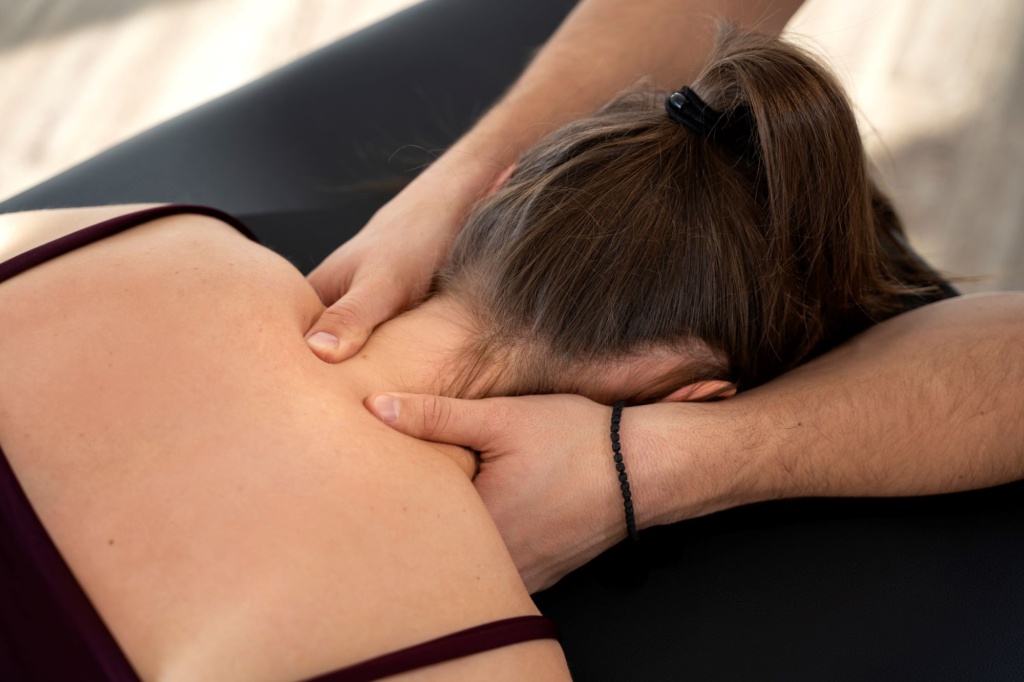
What Types of Back Pain May Respond to Massage?
Massage therapy for back pain is most relevant when the symptoms appear to involve muscles and soft tissues. A therapist should ask about the location, duration, intensity, and possible cause of the discomfort before deciding how to approach the area.
| Type of discomfort | How massage may be used | When another evaluation is important |
| Muscle tightness after sitting or desk work | Gentle warming strokes and targeted pressure may help reduce tension | When symptoms continue despite changes in activity and posture |
| Soreness after exercise | Work may be adapted to the stage of recovery and tissue sensitivity | When pain is sharp, severe, or associated with a suspected injury |
| Upper-back and shoulder tension | Treatment may address the trapezius, surrounding shoulder muscles, and related movement patterns | When pain travels into the arm or is accompanied by weakness or numbness |
| Lower-back muscular tightness | The therapist may work with the lumbar, hip, and gluteal muscles rather than pressing directly on the spine | When symptoms travel down the leg or affect bladder or bowel control |
| Persistent or recurring pain | Massage may be considered alongside medical care, movement, or rehabilitation | When the cause has not been assessed or symptoms are worsening |
Back pain can also originate from discs, joints, nerves, fractures, inflammatory conditions, or internal organs. Massage cannot diagnose these problems. New, severe, unexplained, or progressive symptoms require an appropriate medical assessment.
Deep Tissue Back Massage Techniques Used by Therapists
Professional back pain massage techniques are selected according to the tissues involved and the client’s comfort. A therapist may combine several methods rather than applying one standard routine to every client.
Myofascial Release
Myofascial release uses slow, sustained pressure to work with areas of fascia that feel restricted. It is often performed with little or no lubricant so the therapist can maintain contact with the tissue rather than sliding quickly across the skin.
For back discomfort, the work may include muscles beside the spine as well as the hips, glutes, chest, or other areas that influence posture and movement. Pressure should remain controlled and should never be applied directly to the vertebrae.
Trigger Point Therapy
Trigger points are sensitive areas within muscle tissue that may produce local or referred discomfort. The therapist applies focused, gradual pressure and monitors how the area responds.
More pressure is not automatically more effective. If the client holds their breath, tenses, pulls away, or experiences sharp or radiating pain, the therapist should reduce the intensity or stop working on that point.
Cross-Fiber Friction
Cross-fiber friction involves small strokes applied across the direction of the muscle fibers. It may be used on specific soft-tissue restrictions, but it requires accurate knowledge of anatomy and careful control of pressure.
This method is not appropriate for every painful area. It should be avoided over acute inflammation, fresh injuries, bruising, or tissues that have not been medically cleared following surgery.
Muscle Stripping
Muscle stripping uses a slow stroke along the length of a muscle. Depending on the area and required depth, a therapist may use the fingers, knuckles, forearm, or another broad contact surface.
The stroke should follow the muscle rather than press onto bone. Its depth is adjusted gradually, with continuous feedback from the client. This is one reason professional treatment differs from forceful self-massage or untrained pressure applied at home.
How Long May Back Pain Relief Last?
Some clients notice a change immediately after treatment, while others experience only a modest or temporary effect. Duration depends on why the back hurts, how long symptoms have been present, daily activity, sleep, stress, and whether contributing movement patterns are being addressed.
One session should not be used to judge or promise a permanent outcome. A good treatment plan sets realistic goals and reviews changes in pain, movement, daily function, and post-session soreness. If repeated massages provide only brief improvement and symptoms quickly return, further assessment may be more useful than simply increasing frequency or pressure.

When Deep Tissue Massage May Not Be Appropriate
Deep pressure should be postponed or modified when there is an acute injury, active inflammation, unexplained swelling, open skin, infection, fever, recent surgery, a suspected blood clot, or a condition that affects tissue or bone strength.
Seek prompt medical attention instead of booking massage when back pain is accompanied by:
- new weakness, numbness, or loss of coordination;
- loss of bladder or bowel control;
- numbness around the groin or saddle area;
- severe pain after a fall, collision, or other trauma;
- fever, unexplained weight loss, or significant illness;
- chest pain, breathing difficulty, or abdominal pain;
- pain that is rapidly worsening or consistently wakes you at night.
Clients who are pregnant, take blood-thinning medication, have osteoporosis, cancer, neuropathy, or recently underwent a medical procedure should discuss relevant precautions with their healthcare provider and therapist.
Professional Deep Tissue Massage for Back Pain in NYC
Safe treatment begins with understanding the symptoms, relevant health history, and preferred pressure. At Lenox Hill Massage & Physical Therapy, sessions are adapted to the individual rather than based on a fixed high-pressure routine.
Our deep tissue massage service may be appropriate for muscular tension and stiffness. If pain is connected to an injury or diagnosed condition, medical massage or physical therapy may be a more suitable part of the care plan.
If you are uncertain which option fits your needs, contact our Upper East Side team before scheduling. We can help you choose the appropriate service and identify when medical clearance may be needed.