Arthritis can cause joint pain, stiffness, swelling, and reduced mobility, making everyday activities more difficult. Massage may help some people manage muscle tension and discomfort, but its suitability depends on the type of arthritis, the severity of symptoms, and the techniques used.
This guide covers potential benefits, appropriate massage techniques, contraindications, and precautions to consider before treatment. Massage should be viewed as a complementary option, not a replacement for medical care.
Does Massage Help Arthritis?
Massage may provide temporary relief from muscle tension and discomfort for some people with arthritis. However, it does not cure the condition, reverse joint damage, or replace prescribed treatment. Evidence varies by diagnosis, and results are not guaranteed.
Osteoarthritis involves changes to joint cartilage and surrounding structures, while rheumatoid arthritis is an autoimmune condition that causes inflammation. These differences affect the suitability of massage and the precautions required.
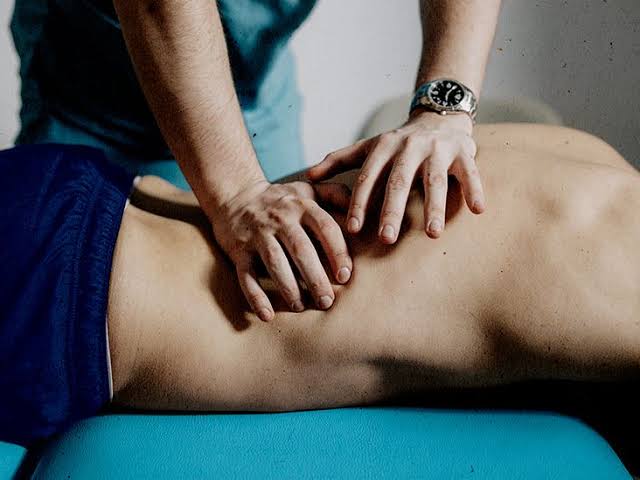
Before arranging a session, consider:
- Which joints are affected and how severe the symptoms are.
- Whether swelling, inflammation, or unusual warmth is present.
- How sensitive the affected areas are to touch and pressure.
- Whether other medical conditions or medications increase the risk of injury.
The objective is to support comfort without placing unnecessary stress on sensitive joints. If symptoms are worsening or a joint is acutely inflamed, seek medical advice before treatment.
Potential Benefits of Massage for Arthritis
The potential benefits depend on the person’s condition, the therapist’s approach, and the response to treatment. Massage may complement a broader care plan but should not be considered a primary treatment for arthritis.
Possible benefits include:
- Reduced muscle tension: Gentle techniques may relax muscles surrounding affected joints.
- Temporary relief from discomfort: Some people report short-term improvement after an appropriate session.
- Relaxation and stress management: Massage may promote relaxation and general well-being.
- Greater comfort during movement: Relaxing tight muscles may make some everyday activities feel easier, although improved joint function is not guaranteed.
- Support with symptom management: Massage may complement prescribed medication, appropriate exercise, and professional guidance.
An arthritis massage should be adapted to the person’s symptoms rather than follow a fixed routine. Pressure that feels comfortable on healthy muscle may be unsuitable near an inflamed joint.
The question of whether is massage good for arthritis depends on the diagnosis, symptom severity, and technique. Some people report temporary relief, but massage does not stop disease progression. Similarly, can massage help arthritis is not a question with a universal answer: benefits, if any, vary between individuals and conditions.
After treatment, monitor for increased pain, swelling, bruising, or persistent soreness. These symptoms may indicate that the pressure or technique was unsuitable.
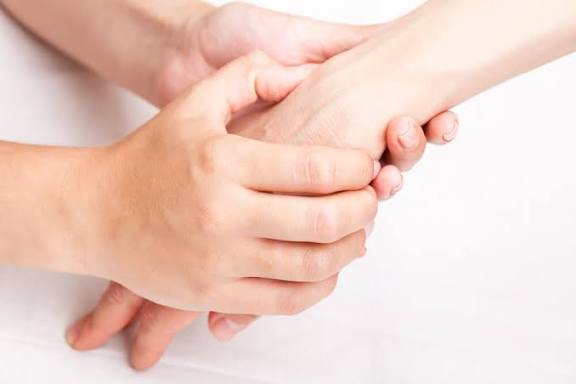
What Types of Arthritis May Benefit from Massage?
The suitability of massage depends on the type of arthritis, the affected joints, and whether symptoms are stable or worsening. Findings for one condition should not automatically be applied to another.
Osteoarthritis
Osteoarthritis commonly affects the knees, hips, hands, and other joints. Changes in joint structures can lead to pain, stiffness, and reduced mobility.
Some people experience temporary relief when massage addresses tension in the muscles surrounding affected joints. However, massage does not restore damaged cartilage or treat the underlying joint changes.
Anyone considering treatment should discuss their symptoms with a qualified professional. The therapist should avoid forceful pressure over painful joints and adapt positioning to the person’s mobility.
Rheumatoid Arthritis
Rheumatoid arthritis is an autoimmune disease that can cause persistent inflammation and damage to joints and surrounding tissues. During a flare-up, affected areas may be particularly sensitive.
Gentle massage may be considered when symptoms are stable, provided the technique is adapted to the person’s condition. Active inflammation requires additional caution, and treatment should not replace disease-modifying medication or other prescribed care.
People with rheumatoid arthritis should discuss manual therapy with their healthcare professional, particularly if several joints are affected or symptoms have recently intensified.
What Type of Massage Is Best for Arthritis?
There is no single technique suitable for everyone. The choice should reflect the affected area, symptom severity, medical history, and tolerance for pressure.
| Massage type | Potential role | Important consideration |
| Swedish massage | Gentle relaxation and relief of muscular tension | Pressure should remain comfortable |
| Therapeutic massage | Targeted work on tense muscles surrounding affected joints | Requires individual assessment |
| Deep tissue massage | More intensive work on deeper soft tissues | May be unsuitable for sensitive joints or fragile tissues |
Swedish Massage for Gentle Relief
Swedish massage uses flowing strokes, gentle kneading, and adjustable pressure. It may suit people seeking relaxation and relief from muscular tension without aggressive manipulation.
A therapist can modify the session by supporting the limbs, avoiding inflamed joints, and using lighter pressure where necessary. The person receiving treatment should communicate discomfort immediately rather than tolerate pain in the expectation of a better result.
Therapeutic Massage for Muscle Tension
Therapeutic massage focuses on specific areas of muscular tension and discomfort. For some people, this approach may help manage tightness around joints affected by arthritis.
Treatment should account for restricted movement, joint stability, and existing tissue damage. A therapist should not force a joint through its range of motion or attempt to correct structural changes through pressure.
Understanding massage and arthritis means recognising the difference between working with surrounding soft tissues and treating the disease itself. Massage may complement a care plan, but it does not replace medical treatment.
Is Deep Tissue Massage Good for Arthritis?
Deep tissue massage uses more sustained, concentrated pressure than many relaxation techniques. Greater intensity does not necessarily produce greater benefit.
People with arthritis may have sensitive joints, weakened bones, or tissues that are more vulnerable to injury. Intensive pressure can increase discomfort and may be unsuitable for people with certain medical conditions.
Before considering this technique:
- Avoid deep pressure over affected joints or areas of active inflammation.
- Tell the therapist about osteoporosis, blood-thinning medication, previous injuries, and other relevant conditions.
- Stop the session if pain increases or unusual symptoms develop.
- Ask a healthcare professional whether intensive techniques are appropriate.
A gentler approach may be more suitable when the main goal is comfort rather than intensive muscular treatment.
When Should You Avoid Massage for Arthritis?
Massage may be inappropriate during an active flare-up or when symptoms suggest a new injury or complication. Applying pressure to an inflamed or damaged area can worsen discomfort.
Avoid massage directly over:
- Hot, red, or significantly swollen joints.
- Areas affected by an acute injury or suspected fracture.
- Open wounds, burns, or active skin infections.
- Areas with unexplained pain or swelling.
- Recent surgical sites that have not been cleared for massage.
- Varicose veins or areas where a blood clot is suspected.
Additional precautions may be necessary for people with severe osteoporosis, bleeding disorders, reduced sensation, or those taking anticoagulants. These factors can increase the risk of bruising or tissue injury.
Seek urgent medical assessment for sudden joint swelling accompanied by fever, a hot joint with severe pain, or unexplained one-sided calf swelling. Do not attempt to manage these symptoms with massage.
Safety Precautions Before Getting an Arthritis Massage
Before booking a session, discuss your symptoms and medical history with your healthcare professional. This is particularly important if you have rheumatoid arthritis, significant joint damage, or another condition that affects tissue strength or healing.
Follow these precautions:
- Choose an experienced therapist. Look for a licensed professional who has experience adapting treatments for people with arthritis.
- Explain your condition. Identify affected joints, recent flare-ups, previous surgeries, and relevant medication.
- Agree on pressure beforehand. Begin conservatively and adjust only if treatment remains comfortable.
- Protect sensitive joints. Avoid direct pressure on inflamed areas and positions that strain restricted joints.
- Monitor your response. Stop if pain increases, numbness develops, or the area becomes more uncomfortable.
- Reassess after treatment. Persistent soreness or increased swelling may indicate that the session was too intensive.
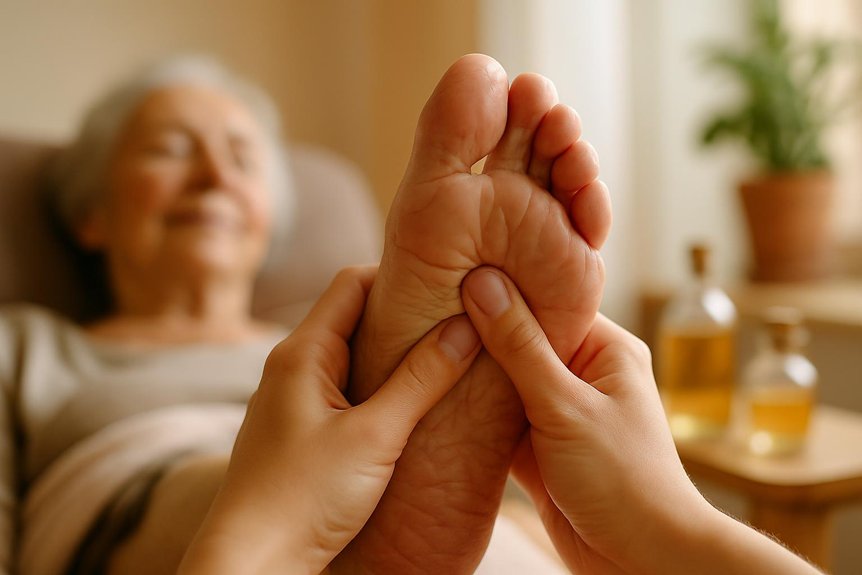
The search phrase massage arthritis may reflect a general interest in treatment, but the important question is whether massage is appropriate for the individual’s condition. The phrase can you massage arthritis also requires a qualified answer: treatment may be suitable in some circumstances, but inflamed joints and other contraindications require caution.
How to Choose the Right Massage Therapy for Arthritis
The right treatment should be based on symptoms and health needs, not simply on which technique is most popular.
When discussing options with a therapist, ask:
- Do you have experience working with people who have my type of arthritis?
- Can you avoid inflamed joints and adjust pressure throughout the session?
- Should I obtain medical clearance before treatment?
- What symptoms would mean the session should stop?
A therapist may recommend a gentle approach or suggest postponing treatment. The plan should also account for prescribed medication, exercise, and advice from your rheumatologist.
For those exploring treatment options, massage therapy for arthritis may be one component of symptom management. It should not replace medical treatment or delay an assessment when symptoms worsen.
When to Consider Professional Care
Professional assessment is particularly important when symptoms interfere with walking, dressing, gripping objects, sleeping, or other daily activities. Persistent or worsening pain should not automatically be attributed to the underlying condition.
Depending on your needs, Lenox Hill Massage & Physical Therapy offers Swedish massage, deep tissue massage, and medical massage. These services differ in approach and intensity, and none should be assumed suitable for every person with arthritis.
A healthcare professional can help determine whether massage is appropriate and identify other treatments that may be more beneficial. The objective is to find an approach that supports comfort without aggravating symptoms or increasing the risk of injury.