A pulled muscle or sprained ankle can cause pain, swelling, stiffness, and difficulty moving normally. Massage may help relieve muscle tension during recovery, but the timing and technique matter. Applying pressure too early or directly to an injured area can aggravate symptoms and delay healing.
The right approach depends on the type and severity of the injury, how recently it happened, and whether swelling or bruising is still present. This guide explains when massage may be appropriate, how it relates to scar tissue, and when professional assessment is necessary. Learn more about the treatments available at Lenox Hill Massage.
Should You Massage a Pulled Muscle?
A pulled muscle, also called a muscle strain, occurs when muscle fibres are overstretched or torn. Symptoms range from mild tenderness to significant pain, swelling, bruising, and reduced strength.
Massage is generally not recommended directly over a newly injured muscle while pain, swelling, or bruising is developing. During this early stage, pressure and friction may increase irritation. Rest from painful activities, protection of the injured area, and gentle movement within comfortable limits may be more appropriate.
As symptoms settle, a qualified therapist may use gentle techniques around the affected area to reduce surrounding muscle tension and help restore comfortable movement. Treatment should be adjusted to the injury rather than based on a standard massage routine.
Consider these general principles:
- Early injury: Avoid deep pressure or vigorous rubbing over the painful area.
- Improving symptoms: Gentle work around the injury may be considered if it does not increase pain or swelling.
- Later recovery: Massage may complement a gradual return to movement and strengthening exercises.
- Persistent symptoms: Seek medical assessment if pain, weakness, or limited movement is not improving.
Massage should support recovery, not replace appropriate diagnosis or rehabilitation.
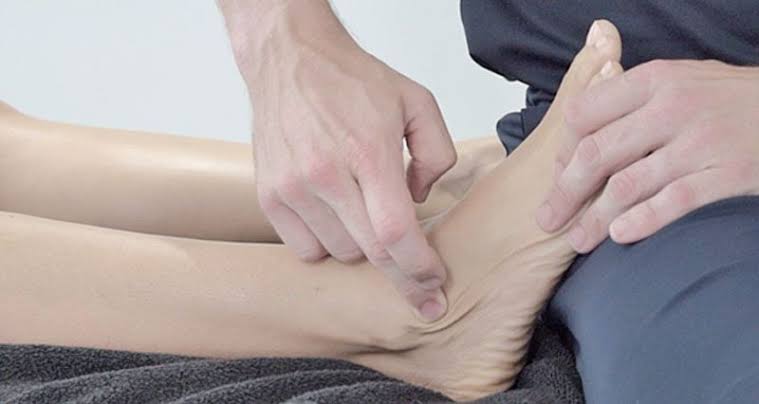
When Is Massage Safe After a Muscle Strain or Sprained Ankle?
There is no single timeline that applies to every strain or sprain. A mild injury may improve relatively quickly, while a more severe tear or ligament injury can require weeks or longer to recover. Symptoms and the severity of tissue damage are more useful guides than the number of days alone.
Massage During the First 48-72 Hours
During the first two to three days, swelling, bruising, and inflammation may be developing. Avoid deep massage, forceful stretching, and direct pressure over the injured tissue during this period.
Protect the area from activities that worsen symptoms. For an ankle injury, supportive footwear or an appropriate brace may help, depending on the severity. Elevation and a wrapped cold pack may provide short-term symptom relief. Do not apply ice directly to the skin.
Severe pain, an obvious deformity, inability to bear weight, or significant swelling warrants prompt medical assessment rather than massage.
When Swelling and Pain Begin to Improve
Once the initial symptoms are settling, gentle movement can help prevent unnecessary stiffness. Massage may be considered if it does not provoke pain, increase swelling, or interfere with normal function.
The therapist should avoid aggressive pressure over the injured muscle, tendon, or ligament. Treatment may instead focus on surrounding muscles that have become tense from guarding or altered movement.
Returning to Massage During Recovery
As healing progresses, massage can be one part of a broader recovery plan. The pressure and technique should be increased gradually and only when symptoms allow.
For sports-related injuries, sports massage may be considered as part of a recovery routine. However, massage alone does not restore ligament stability or muscle strength. Rehabilitation exercises and a gradual return to normal activities remain important.
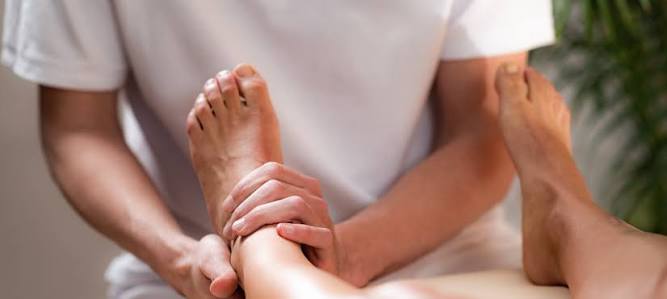
When Can You Massage a Sprained Ankle?
A sprained ankle involves stretching or tearing the ligaments that support the joint. The severity can range from a mild stretch to a more substantial tear. Swelling, bruising, tenderness, and difficulty walking are common symptoms.
Avoid massaging directly over a newly sprained ankle while it is swollen, bruised, or acutely painful. Pressure over damaged ligaments may worsen discomfort and irritate the area.
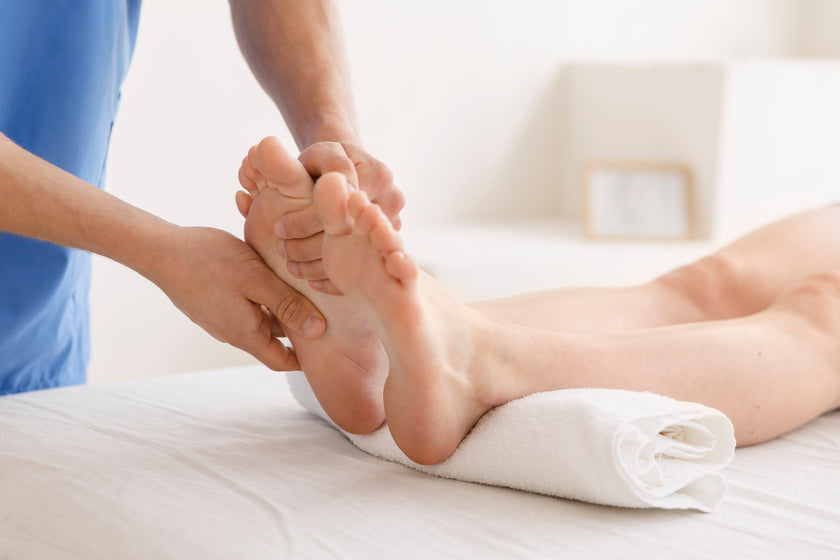
Massage may become appropriate later, once pain and swelling are clearly improving and a serious injury has been ruled out. A trained professional may work gently around the ankle and nearby muscles, depending on the stage of healing and the person’s symptoms.
| Stage of recovery | General approach |
| Early stage with swelling or bruising | Avoid direct massage over the injury; protect the ankle and manage symptoms |
| Symptoms beginning to settle | Introduce comfortable movement and seek guidance if walking remains difficult |
| Later recovery | Consider gentle massage if appropriate, alongside mobility, balance, and strengthening exercises |
| Ongoing pain or instability | Get assessed before continuing massage or returning to sport |
Do not use massage as a test to determine whether the ankle is healed. If you cannot bear weight, have marked tenderness over the bones, experience numbness, or notice worsening symptoms, seek medical care. An ankle fracture or a more serious ligament injury can resemble a routine sprain.
Should You Massage a Ligament Injury?
Ligaments connect bones and help stabilise joints. Unlike muscles, they do not contract to produce movement, and their recovery can be slower when fibres are significantly damaged.
Direct massage over an acute ligament injury is generally best avoided, especially when there is swelling, bruising, or sharp tenderness. Strong pressure cannot reliably reconnect torn fibres or speed up ligament healing.
During later recovery, carefully selected massage techniques may help address tension in nearby muscles or discomfort associated with altered movement. The injured joint may also need support and a structured rehabilitation programme to restore strength, balance, and stability.
A suspected moderate or severe ligament tear should be assessed by a healthcare professional. Treatment may require bracing, supervised exercises, or other care depending on the joint and injury.
Does Massage Break Up Scar Tissue?
Scar tissue forms as part of the body’s response to damaged tissue. It is made largely of collagen and helps repair the affected area. Some scar tissue is a normal part of healing, although excessive or poorly organised tissue can sometimes contribute to stiffness or restricted movement.
Massage cannot simply break apart scar tissue or reverse a significant tear. Once a wound has fully closed and the tissue has healed sufficiently, appropriately selected massage may help improve comfort, tissue mobility, or sensitivity around certain scars. The potential benefit depends on the type of scar, its location, and how far healing has progressed.
For a recent muscle strain or sprain, the priority is protecting the healing tissue rather than trying to manipulate scar formation. Aggressive friction over an unhealed wound or injured tissue can cause additional irritation.
If scar-related stiffness persists, a clinician or appropriately trained therapist can assess whether scar massage or another rehabilitation technique is suitable.
How to Massage an Injured Muscle or Ankle Safely
Safe treatment begins with identifying what has been injured and whether massage is appropriate at the current stage. If the diagnosis is uncertain, get the injury assessed before applying pressure.
Follow these precautions:
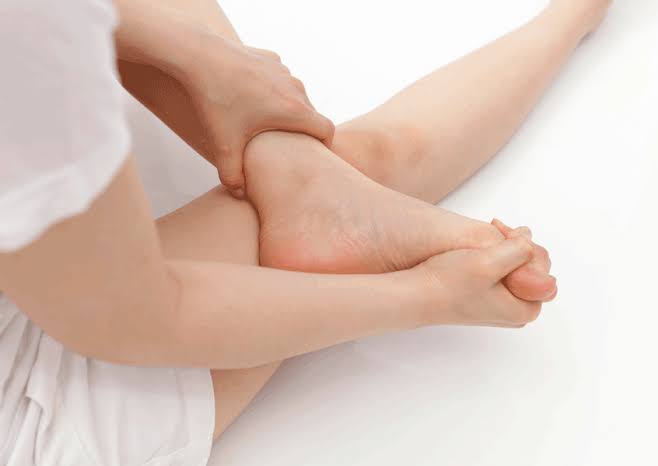
- Avoid painful pressure. Massage should not produce sharp pain or make symptoms noticeably worse.
- Do not massage through swelling or bruising. These may indicate that the tissue is still in an early stage of injury.
- Start conservatively. If treatment is appropriate, gentle work around the affected area may be better tolerated than direct pressure.
- Monitor the response. Stop if pain, swelling, warmth, or bruising increases during or after treatment.
- Combine treatment with rehabilitation. Follow appropriate guidance on mobility, strength, balance, and gradual return to activity.
- Check relevant medical factors. Blood-thinning medication, circulation problems, reduced sensation, and certain medical conditions may change the risks of massage.
Do not attempt forceful stretching, deep friction, or painful manipulation to speed up recovery. A treatment that feels intense is not necessarily more effective.
When to Avoid Massage and Seek Medical Care
Massage should be postponed when symptoms suggest a significant or unassessed injury. Seek urgent medical assessment for an obvious deformity, severe or rapidly increasing pain, major swelling, numbness, a cold or discoloured foot, or an inability to bear weight after an ankle injury.
Arrange a professional evaluation if you have substantial bruising, marked weakness, persistent joint instability, or symptoms that are not improving as expected. A healthcare professional can determine whether imaging or a specific rehabilitation plan is needed.
Avoid massage directly over open wounds, suspected fractures, or areas with a possible infection. Do not use massage to delay care when the cause of the pain is unclear.
How Medical and Sports Massage Can Support Recovery
Once an injury has been assessed and the timing is appropriate, massage may be used as a complementary part of recovery. The treatment should reflect the injured tissue, current symptoms, and any restrictions provided by a healthcare professional.
A medical massage session may focus on specific areas of muscular tension and movement-related discomfort. A therapist experienced in sports injury massage may also adapt treatment to the demands of an athlete’s activity and recovery goals.
Massage is not a substitute for medical evaluation, progressive exercise, or joint stabilisation when these are needed. The aim is to support comfort and function without putting unnecessary stress on healing tissue.