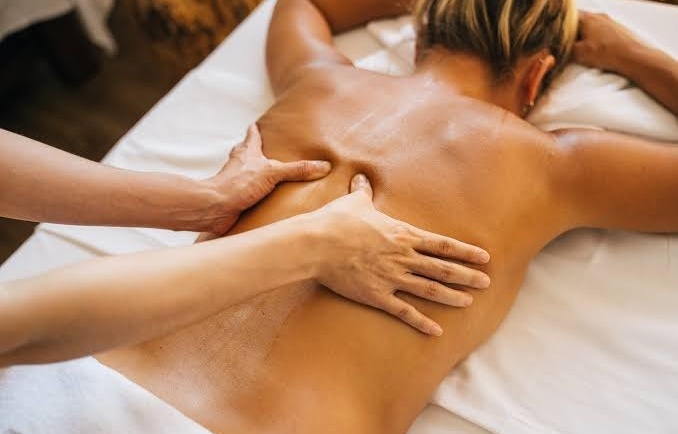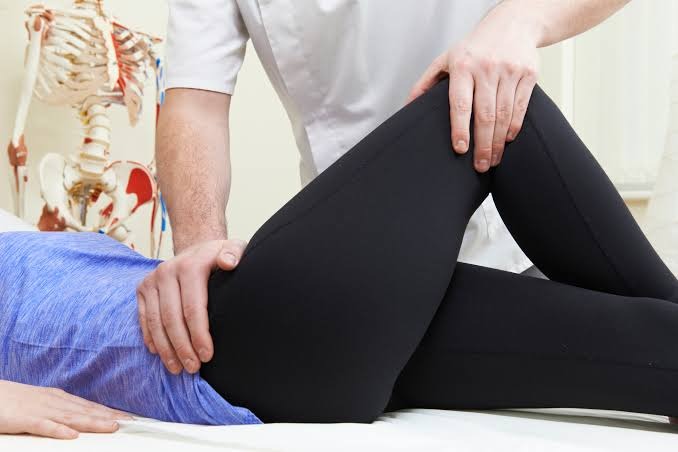
Hip pain can affect walking, sitting, exercising, and other everyday activities. It may develop after physical activity, prolonged sitting, muscle strain, or changes in the hip joint. Massage may help relieve muscular tension and improve comfort in some cases, but its suitability depends on what is causing the pain.
Understanding the potential benefits, available techniques, and situations in which massage should be avoided can help you make an informed decision about treatment.
What Causes Hip Pain?
Hip pain can originate in the muscles and soft tissues around the joint or from the joint itself. The location and nature of the discomfort can provide clues about its cause, although a professional assessment may be needed for an accurate diagnosis.
Common causes include:
- Muscle tension: Tight muscles around the hips and buttocks may contribute to soreness and restricted movement.
- Physical overuse: Running, cycling, strength training, and repetitive movements can place additional demands on the muscles around the hips.
- Prolonged sitting: Remaining in one position for extended periods may contribute to stiffness and discomfort.
- Muscle strains: Sudden movements or excessive loading can injure the muscles and surrounding soft tissues.
- Hip joint conditions: Osteoarthritis and other joint problems can cause pain, stiffness, and reduced mobility.
- Referred pain: Discomfort originating in the lower back or nearby structures may be felt around the hip.
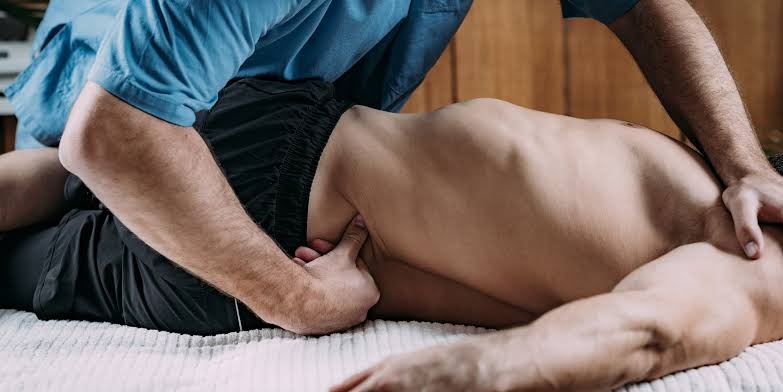
Massage is more likely to help when muscular tension contributes to the symptoms. It may be less appropriate when pain comes from a significant injury, a joint condition, or another underlying problem.
Can Massage Help Relieve Hip Pain?
Massage may help some people manage hip discomfort when tight or overworked muscles contribute to their symptoms. Depending on the technique, treatment may promote relaxation, temporarily reduce muscular soreness, and make movement feel more comfortable.
However, massage does not address every cause of hip pain. It cannot repair a fracture, reverse joint damage, or replace appropriate rehabilitation for a significant injury.
Before considering treatment, keep the following points in mind:
- Massage may complement a broader plan for managing muscular discomfort.
- The appropriate technique depends on the source and severity of the pain.
- Pressure should be adjusted to your comfort and should not cause sharp pain.
- Gentle movement and suitable strengthening exercises may support mobility.
- Persistent or unexplained pain should be assessed by a healthcare professional.
A qualified therapist should ask about your symptoms, medical history, and recent injuries before recommending a treatment approach.
Potential Benefits of Massage for Hip Pain
The potential benefits depend on the cause of the discomfort, the technique used, and your individual response. Massage may be useful for muscular symptoms, but results vary.
Relieves Muscle Tension Around the Hips
Muscles around the hips and buttocks can become tense after exercise, repetitive movement, or prolonged sitting. Targeted massage may help ease the sensation of tightness and improve comfort.
Treatment may focus on the surrounding muscles rather than applying direct pressure to the hip joint. The therapist should adapt the technique to your symptoms and avoid areas where pressure causes pain.
May Reduce Discomfort and Stiffness
Muscular tension can make everyday activities feel uncomfortable, particularly when standing up after sitting or changing positions. Massage may temporarily reduce muscular soreness and help some people move more comfortably.
However, pain and stiffness can also be associated with joint conditions or injuries. If symptoms are persistent, worsening, or accompanied by swelling, massage should not replace medical assessment.
Supports Mobility and Flexibility
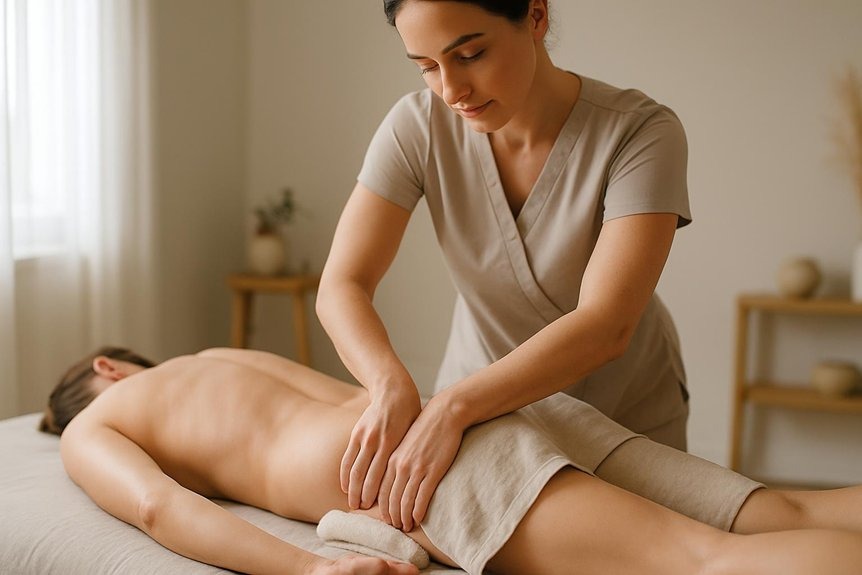
When tight muscles contribute to restricted movement, massage may help improve comfort during everyday activities. This can make it easier for some people to participate in gentle mobility exercises.
Potential benefits may include:
- Greater comfort when walking or standing.
- Reduced sensation of tightness around the hips and buttocks.
- Easier participation in appropriate stretching exercises.
- Improved tolerance for everyday movements.
Massage does not permanently increase flexibility on its own. Appropriate exercise and rehabilitation may be needed to improve strength, coordination, and range of motion.
Helps Relax Muscles After Physical Activity
Exercise can leave the muscles around the hips feeling fatigued or sore. Massage may help some people manage post-exercise discomfort and relax tense muscle groups.
For physically active individuals, sports massage may be considered as part of a recovery routine. The pressure and timing should reflect the activity performed and the person’s symptoms.
Avoid deep pressure over a recent injury, significant swelling, or an area with unexplained pain. More intense treatment is not necessarily more effective.
Hip Massage Techniques for Different Types of Discomfort
The most appropriate hip massage techniques depend on the muscles involved, the cause of the pain, and your tolerance for pressure. A technique that feels helpful for general muscle tension may be unsuitable for an acute injury or joint-related condition.
| Technique | Potential use | Important consideration |
| Gentle massage | Mild muscular tension and general tightness | Use comfortable pressure and avoid painful areas |
| Deep tissue massage | Selected cases of persistent muscular tension | May be unsuitable for acute injuries or sensitive tissues |
| Sports massage | Exercise-related muscular tension and recovery | Timing and intensity should match the person’s condition |
Gentle Massage for Tight Hip Muscles
Gentle massage uses light to moderate pressure to work on muscles that feel tense or tired. It may be appropriate for people who prefer a less intensive treatment or are sensitive to pressure.
A therapist may work on the muscles around the buttocks and outer hip, depending on the symptoms. The treatment should feel comfortable rather than painful.
Avoid pressing directly into the groin or other sensitive areas. If the source of the pain is uncertain, seek professional guidance before attempting targeted massage.
Deep Tissue Massage for Persistent Muscle Tension
Deep tissue massage uses slower strokes and more targeted pressure to address deeper muscle layers. It may be considered when muscular tightness is a significant contributor to discomfort.
This technique is not suitable for every person with hip pain. Strong pressure may aggravate an acute strain or other injury, and joint-related pain may require a different approach.
Tell your therapist about your symptoms and ask them to adjust the pressure if it becomes uncomfortable. Sharp pain, increasing tenderness, or worsening symptoms are reasons to stop.
Sports Massage for Active Individuals
Sports massage can be adapted to the needs of people who run, cycle, lift weights, or participate in other physical activities. Treatment may focus on muscular tension associated with training and repetitive movement.
The approach should depend on whether you are managing general soreness or recovering from an injury. Massage should not be used to push through significant pain or replace a rehabilitation plan.
How to Massage Hips Safely at Home
If your discomfort appears to be muscular and there are no warning signs, gentle self-massage may help you manage mild tension. Avoid aggressive pressure and stop if symptoms worsen.
When considering how to massage hips at home, follow these precautions:
- Choose a comfortable position. Sit or lie down in a way that allows your hip muscles to relax.
- Start with light pressure. Use your palm or fingertips to gently massage accessible muscles around the outer hip or buttocks.
- Move slowly. Use small, comfortable movements rather than forceful rubbing.
- Avoid sensitive areas. Do not apply strong pressure directly over the hip joint, groin, bones, or areas with swelling or bruising.
- Monitor your response. Stop if you experience sharp pain, numbness, tingling, or worsening discomfort.
- Keep sessions brief. Begin with a few minutes and assess how the area feels afterward.
- Combine massage with gentle movement. Comfortable walking or appropriate mobility exercises may complement self-massage.
Do not attempt to force a joint into position or use tools that apply intense pressure to painful tissues. If you are uncertain about the cause of your symptoms, get professional advice before continuing.
When to Avoid Hip Massage
Massage is not appropriate in every situation. Applying pressure to an injured or inflamed area may aggravate symptoms or delay necessary treatment.
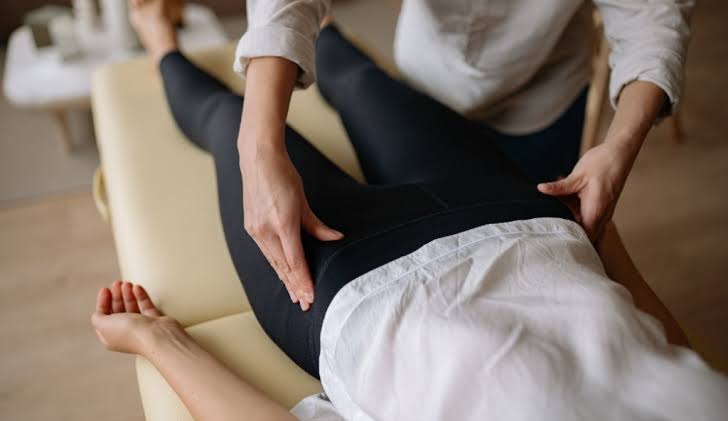
Avoid massage directly over the affected area or seek medical advice first if you have:
- A recent fall, significant injury, or suspected fracture.
- Severe or rapidly worsening pain.
- Significant swelling, warmth, or unexplained bruising.
- An open wound or suspected infection in the treatment area.
- A known or suspected blood clot.
- A medical condition or medication that increases bleeding risk.
- Recent surgery or specific medical restrictions.
Seek urgent medical attention if you develop sudden severe hip pain, cannot bear weight, or experience significant symptoms after an injury. Fever combined with a hot, swollen, or painful joint also requires prompt assessment.
When to Seek Professional Care for Hip Pain
Hip pain that persists, repeatedly returns, or interferes with normal activities may need professional evaluation. A healthcare professional can assess whether the symptoms are related to muscles, the hip joint, the lower back, or another cause.
Arrange an assessment if you experience:
- Pain that does not improve with appropriate self-care.
- Increasing stiffness or reduced range of motion.
- Pain that affects sleep or everyday activities.
- Recurrent symptoms during exercise.
- Numbness, tingling, or weakness.
- Pain following an injury that has not been assessed.
A clinician may recommend physical therapy, specific exercises, medication, or further investigation depending on the cause. Massage may be considered as a complementary option when appropriate.
Choosing a Massage Technique for Hip Pain
The right treatment should match your symptoms rather than simply use the strongest pressure available. A therapist should explain the proposed technique, ask about your medical history, and adjust the session to your comfort.
You can explore services at Lenox Hill Massage and discuss which options may suit your needs.
Before booking, consider the following:
- Explain where the pain occurs and when it started.
- Mention recent injuries, medical conditions, or relevant medications.
- Ask whether the technique is appropriate for your symptoms.
- Confirm that the therapist will avoid painful or injured areas.
- Seek medical advice first if the cause of your pain is unclear.
A medical massage session may be an option when treatment needs to focus on specific muscular discomfort. However, massage should complement appropriate care rather than replace diagnosis or rehabilitation.