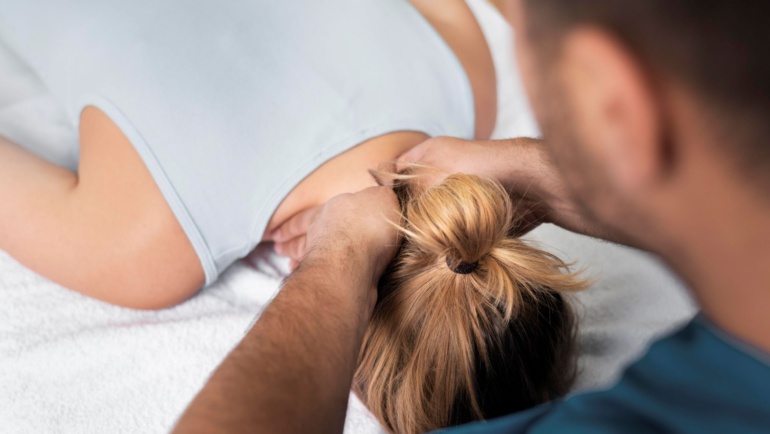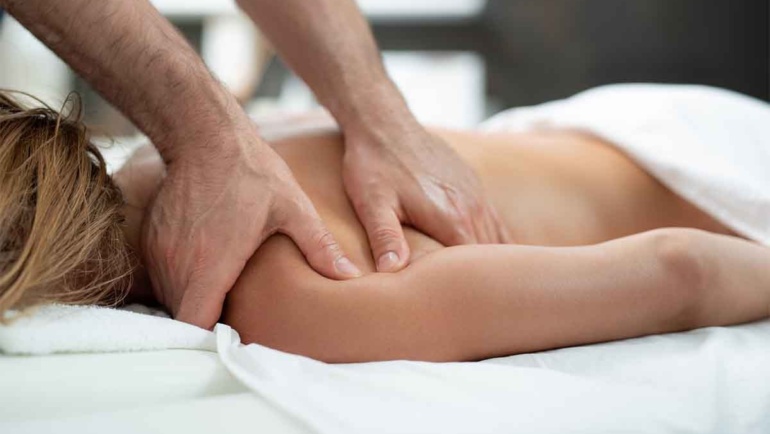
Deep tissue massage uses slow strokes and sustained pressure to target deeper layers of muscle and connective tissue. It is often chosen by people who experience persistent muscle tension, stiffness, or discomfort associated with physical activity. Understanding the benefits of deep tissue massage can help you decide whether this treatment suits your needs.
Although the technique can be useful for certain types of muscular discomfort, deeper pressure is not always better. Results vary depending on your health, the cause of your symptoms, and the therapist’s approach. You can explore available treatments at Lenox Hill Massage.
What Is Deep Tissue Massage?
Deep tissue massage focuses on deeper muscle layers and surrounding connective tissue. A therapist typically uses slow, controlled movements and adjusts pressure according to the client’s comfort and treatment goals.
Unlike a relaxation-focused session, this technique may concentrate on specific areas of tension, such as the shoulders, back, hips, or legs.
A session may include:
- Slow strokes that gradually address areas of muscular tightness.
- Sustained pressure on selected muscle groups.
- Targeted work around areas affected by repetitive movements or physical strain.
- Adjustments to pressure based on sensitivity, medical history, and personal preferences.
Deep tissue massage should not cause sharp or unbearable pain. Communicate with your therapist throughout the session so the pressure can be adjusted when necessary.
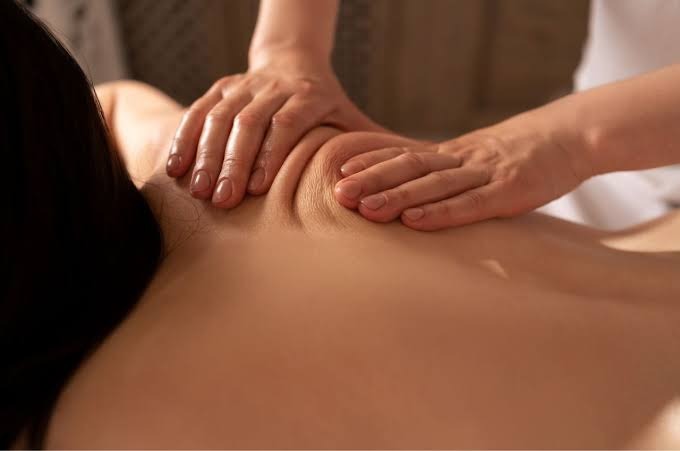
Deep Tissue Massage Benefits: 9 Reasons to Consider It
The potential health benefits of deep tissue massage depend on the individual and the condition being addressed. The following nine reasons explain why people may consider this treatment.
1. Relieves Chronic Muscle Tension
Muscles can become tense from prolonged sitting, repetitive movements, strenuous exercise, or maintaining the same posture for extended periods. Targeted massage may help ease this tension and improve comfort.
The therapist can focus on areas that feel particularly tight, including the upper back, shoulders, and lower back. Pressure should be adapted to your tolerance rather than applied as deeply as possible.
2. Helps Reduce Persistent Pain
Some people use deep tissue massage to manage persistent muscular discomfort. Massage may provide short-term relief and support movement when muscle tension contributes to symptoms.
However, ongoing pain can have many causes. Massage does not treat every underlying condition, and persistent or unexplained pain should be evaluated by a healthcare professional.
3. Improves Mobility and Flexibility
Muscular tightness may make everyday movements feel restricted. Massage can sometimes help reduce discomfort associated with that tightness, making movement more comfortable.
Potentially useful areas include:
- Shoulders that feel stiff after working at a desk.
- Hips that feel tight after prolonged sitting.
- Legs that feel tense following exercise.
- Back muscles that become uncomfortable during repetitive activities.
Massage works best alongside appropriate mobility exercises and regular physical activity. It should not replace rehabilitation when a specific movement problem requires treatment.
4. Supports Recovery After Physical Activity
Intense exercise can leave muscles feeling sore and fatigued. Massage may help some people manage post-exercise discomfort and feel more comfortable during recovery.
For active individuals, sports massage may be another option to consider. The appropriate technique depends on training intensity, soreness, and the time available for recovery.
Avoid aggressive pressure on acutely injured or significantly swollen tissue. More pressure does not necessarily mean faster recovery.
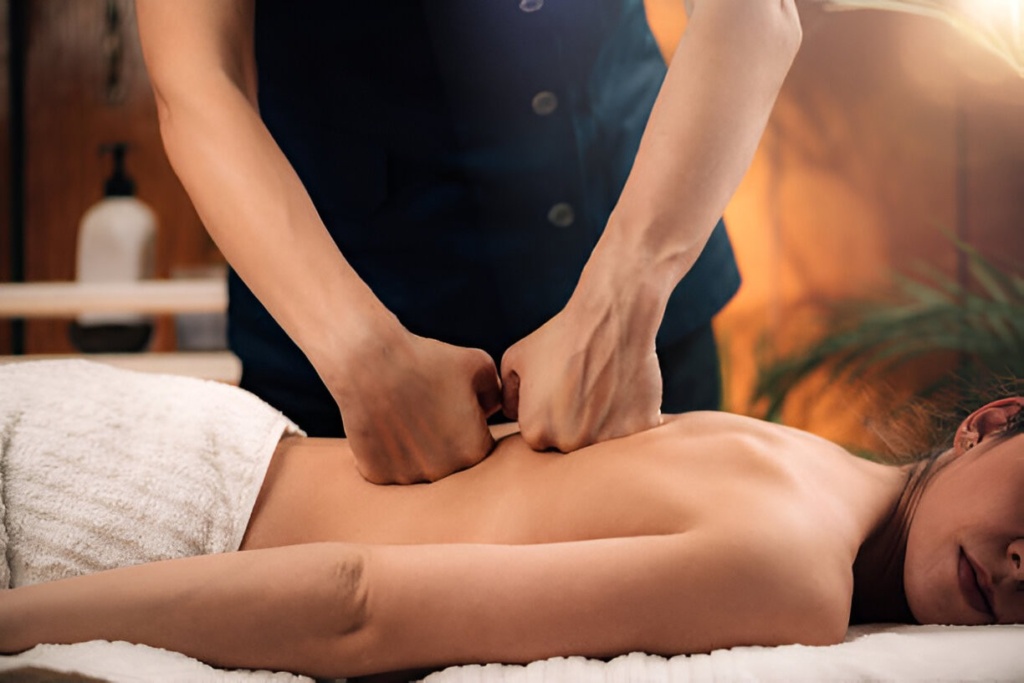
5. May Help Reduce Stress
Physical tension and psychological stress can influence each other. A massage session provides time away from daily demands and may promote relaxation.
Although deep tissue massage is often associated with targeted muscular work, it can also feel calming when the pressure is comfortable and the session is adapted to individual preferences.
If relaxation is your primary goal, a Swedish massage may be worth considering because it generally uses gentler techniques.
6. Helps Address Muscle Knots
Muscle knots are commonly described as tender, tight areas within a muscle. They can develop alongside repetitive activity, sustained postures, or muscular overuse.
A therapist may apply controlled pressure around these areas to help reduce discomfort. The aim is to improve comfort rather than force the muscle to relax through painful manipulation.
If an area is unusually tender, swollen, or painful without a clear cause, it is important to determine what is responsible before treating it with deep pressure.
7. May Improve Posture-Related Discomfort
Long periods of sitting, working at a computer, or repeatedly performing the same movement can contribute to muscular discomfort. Massage may help ease tension in affected muscle groups.
It does not permanently correct posture or resolve every cause of back and neck pain. A broader approach may include adjusting workstation ergonomics, taking movement breaks, and strengthening muscles that support comfortable movement.
8. Supports Recovery From Certain Soft-Tissue Injuries
Massage may have a role in rehabilitation for selected soft-tissue problems, depending on the injury and stage of healing. A therapist must avoid techniques that could aggravate damaged tissue.
A medical massage session may be considered when treatment needs to focus on a specific area of discomfort or a functional concern.
Massage is not appropriate for every injury. Suspected fractures, acute muscle tears, significant swelling, and unexplained pain require appropriate assessment before treatment.
9. May Improve Overall Physical Comfort
The combined effects of reduced muscular tension, temporary pain relief, and relaxation may help some people feel more comfortable during daily activities.
These long-term benefits of deep tissue massage should not be assumed to occur automatically. Lasting improvements depend on the cause of the discomfort, consistency of appropriate care, physical activity, and other individual factors.
Massage is best viewed as one possible part of a wider approach to maintaining mobility and managing muscular tension.
Is Deep Tissue Massage Good for You?
Whether this treatment is suitable depends on your health, symptoms, and tolerance for pressure. For some people, it may help relieve muscular discomfort. For others, a gentler technique or a different treatment may be more appropriate.
When considering is deep tissue massage good for you, take the following factors into account:
- Your main concern: Identify whether you want to address muscular tension, post-exercise soreness, or a specific area of discomfort.
- Your sensitivity to pressure: Deep pressure should remain tolerable and should not cause sharp pain.
- Your medical history: Certain conditions and medications can increase the risks associated with massage.
- Your recovery needs: Recent injuries may require rest, assessment, or a structured rehabilitation plan rather than direct massage.
- Your expectations: Massage may help manage symptoms, but it is not a guaranteed treatment for chronic pain or other medical conditions.
Tell your therapist about any relevant medical conditions, recent injuries, or medications before the session. If you are unsure whether massage is safe for you, consult a healthcare professional first.
What Are Deep Tissue Massages Good for Compared With Other Massage Types?
Different massage techniques serve different purposes. Choosing one depends on your goals, symptoms, and the amount of pressure you can comfortably tolerate.
Deep tissue massage may be considered when the priority is addressing persistent muscular tightness. Other techniques may be more suitable when the main goal is relaxation or when deeper pressure is not appropriate.
Consider these differences:
- Deep tissue massage: Uses slower, targeted pressure to address deeper muscle layers and areas of tension.
- Swedish massage: Generally uses gentler, flowing strokes and is commonly chosen for relaxation.
- Sports massage: Can be adapted to the needs of physically active people, including training-related muscle tension and recovery.
- Medical massage: Focuses on specific symptoms or functional concerns and may be tailored to an individual’s needs.
The benefits of a deep tissue massage should be considered in relation to your goals rather than as a universal advantage over other techniques. These are some of the key deep tissue benefits to consider when choosing a treatment.
What to Expect During a Deep Tissue Massage
Before the session, your therapist should ask about your goals, symptoms, medical history, and any areas that need special attention.
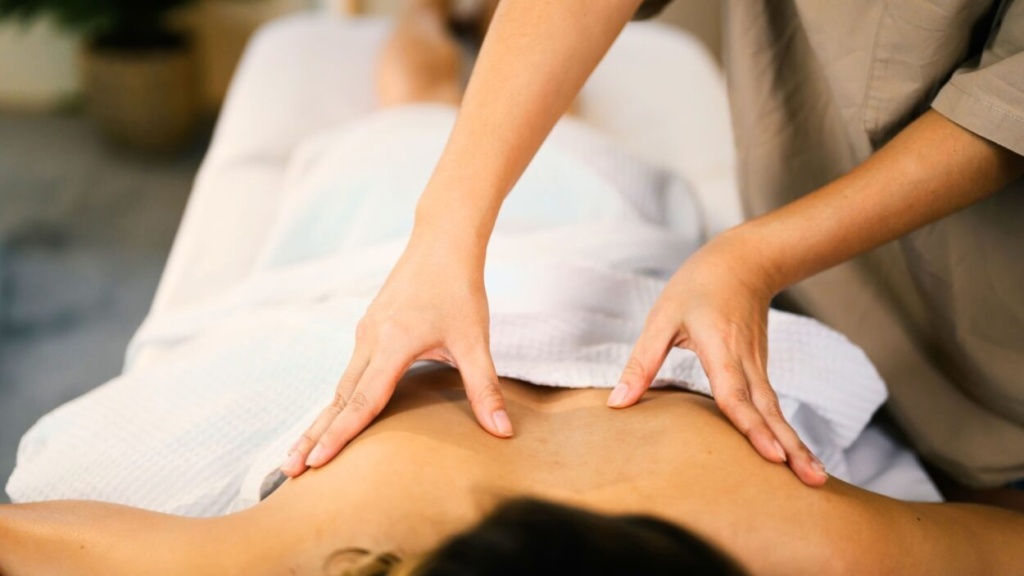
During treatment, the therapist may use slow strokes and controlled pressure on selected muscle groups. You should be able to communicate comfortably throughout the session.
You may experience temporary tenderness afterward, particularly if the muscles were sensitive before treatment. Severe pain is not a necessary part of the process, and you should tell the therapist if the pressure feels excessive.
To prepare for your appointment:
- Explain your symptoms and what you hope to achieve.
- Mention recent injuries, surgeries, or relevant medical conditions.
- Discuss areas where pressure should be avoided.
- Drink fluids normally and allow time to rest if you feel sore afterward.
- Follow professional advice if symptoms persist or worsen.
Who Should Avoid Deep Tissue Massage?
Deep tissue massage may not be appropriate in certain circumstances. Strong pressure can aggravate some injuries and medical conditions, so a therapist should assess whether treatment is suitable.
Avoid massage directly over an acute injury or seek medical advice first if you have:
- A suspected fracture, significant muscle tear, or acute ligament injury.
- Severe or unexplained pain, marked swelling, or extensive bruising.
- An open wound or suspected skin infection in the treatment area.
- A known or suspected blood clot.
- A medical condition or medication that increases bleeding risk or affects sensation.
- A recent operation or another condition requiring specific medical precautions.
If you have osteoporosis, a bleeding disorder, reduced sensation, or a significant circulatory condition, discuss massage with your healthcare professional before booking.
How to Get the Most Out of Deep Tissue Massage
Massage is more likely to be useful when it is tailored to your needs and combined with appropriate self-care. The objective should be improved comfort and function, not tolerating the greatest possible pressure.
To make your sessions more effective and comfortable:
- Choose a qualified therapist who asks about your health and treatment goals.
- Explain which areas are uncomfortable and how they respond to pressure.
- Communicate during the session if the pressure is too intense.
- Follow a suitable exercise and mobility routine when appropriate.
- Allow recovery time if you experience mild, temporary soreness.
- Seek medical assessment if pain persists, worsens, or interferes with everyday activities.
The benefit of deep tissue massage is not determined by how painful the session feels. Appropriate pressure, realistic expectations, and a treatment plan suited to your circumstances matter more.