
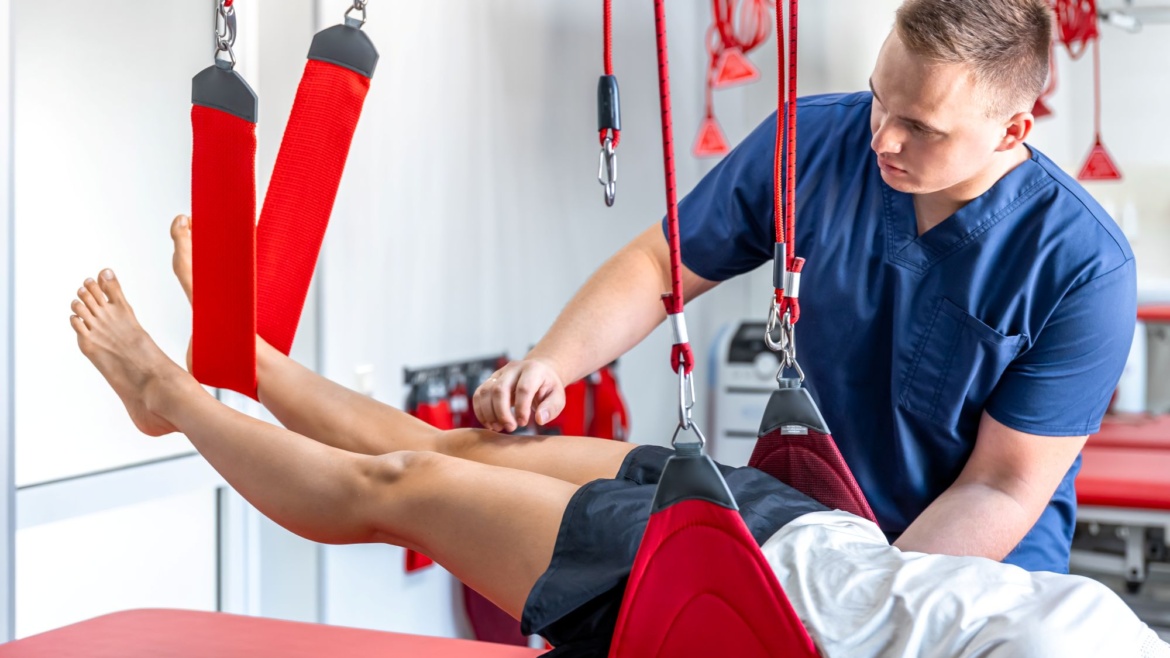
Neuromuscular Reeducation on the Upper East Side, NYC
Neuromuscular reeducation focuses on improving the communication between the nervous system and muscles to support better coordination, balance, posture and movement control. At Lenox Hill Massage & Physical Therapy, your therapist tailors each session to your functional needs and movement patterns, using targeted exercises to help improve stability, muscle activation and control during everyday activities.
60 Minutes | $718
Neuromuscular Reeducation in Physical Therapy
This therapeutic approach focuses on improving how the nervous system and muscles work together to support controlled, coordinated movement. In outpatient physical therapy, exercises are selected according to each patient’s needs and may help address difficulties following an injury, surgery or a period of reduced activity.
Treatment may focus on:
- Improving balance and postural stability.
- Developing coordination and awareness of body position.
- Practicing controlled muscle activation during functional movements.
A physical therapist assesses your movement patterns and determines which exercises are appropriate. Activities can progress gradually as your control, stability and tolerance improve.
When Is Neuromuscular Reeducation Used?
A therapist may recommend this type of training when movement control, coordination or stability needs additional attention. It may be considered as part of rehabilitation following an injury or surgery, depending on the patient’s condition and clinical assessment.
Common reasons for including these exercises in a treatment plan include:
- Balance difficulties: Challenges maintaining stability while standing, walking or changing positions.
- Reduced coordination: Difficulty controlling movements or coordinating different parts of the body.
- Postural control concerns: Difficulty maintaining a stable, functional position during daily activities.
- Proprioceptive deficits: Reduced awareness of joint position and body movement.
- Muscle activation difficulties: Challenges engaging the appropriate muscles during a specific task.
- Movement limitations after injury: The need to practice controlled movements when returning to normal activities.
The appropriate treatment depends on the underlying cause of the problem. A healthcare professional can help determine whether this approach is suitable for your needs.
Common Neuromuscular Reeducation Techniques and Exercises
Exercises are selected according to your assessment, movement limitations and functional goals. A session may involve several activities rather than a single exercise performed throughout the appointment.
Balance and Stability Training
Balance exercises help you practice maintaining control while standing, shifting your weight or changing positions. Depending on your abilities, a therapist may introduce supported standing activities, controlled weight shifts or progressively challenging balance tasks.
Coordination and Motor Control Exercises
These activities focus on performing movements smoothly and with appropriate timing. Exercises may involve coordinated arm and leg movements, controlled stepping patterns or repeated functional tasks that require attention to movement quality.
Postural and Core Stability Training
Postural exercises help you practice maintaining an appropriate body position during movement. Your therapist may introduce exercises that challenge trunk stability and control while sitting, standing or performing everyday tasks.
Proprioceptive Training
Proprioception refers to your body’s awareness of joint position and movement. Training may include controlled weight-bearing activities, changes in body position and balance exercises designed to improve awareness and stability.
The specific exercises used will depend on your assessment and should be adjusted if an activity causes unusual discomfort or is too difficult to perform safely.
Benefits of Neuromuscular Rehabilitation
Neuromuscular rehabilitation can help address functional limitations by focusing on movement quality, coordination and stability. When appropriate for your condition, a structured program may support:
- Better balance during standing and walking.
- Improved coordination during everyday movements.
- Greater awareness of body position.
- More controlled muscle activation.
- Increased confidence when performing functional tasks.
- A gradual return to activities that were previously difficult.
Results vary depending on the underlying condition, consistency of participation and individual response to treatment. Your therapist can monitor your progress and adjust the program as your abilities change.
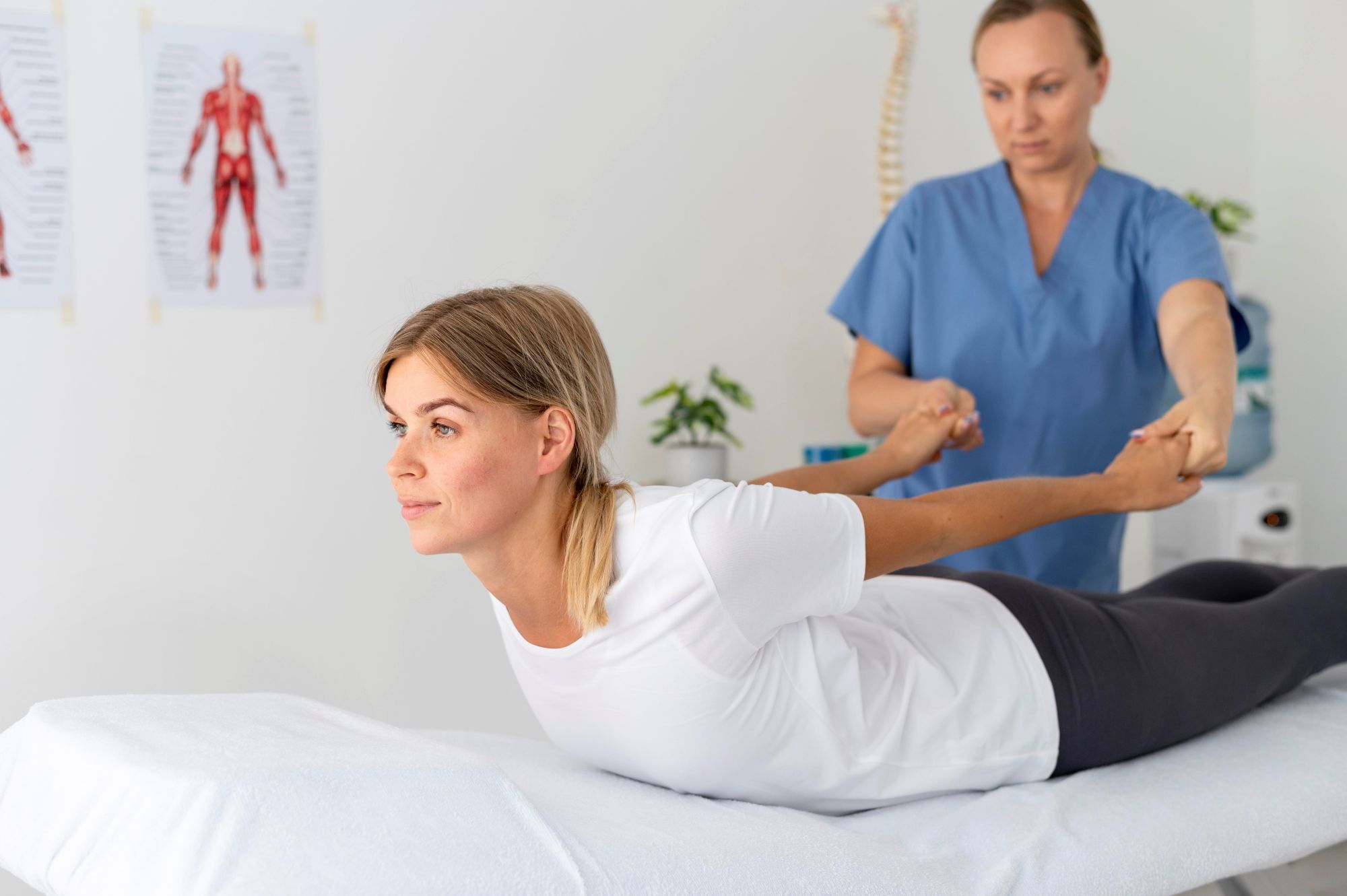
What to Expect During a Session
At Lenox Hill Massage & Physical Therapy, treatment begins with understanding your concerns, current abilities and goals. Your therapist can use this information to identify relevant movement limitations and select appropriate exercises.
A typical session may include the following steps:
- Initial assessment: Discuss your symptoms, relevant medical history, movement difficulties and rehabilitation goals.
- Exercise selection: Choose activities based on your balance, coordination, posture and movement control.
- Guided practice: Perform exercises with feedback and adjustments to help maintain proper technique.
- Progression: Modify the difficulty of activities according to your tolerance and performance.
- Progress review: Evaluate changes in movement and determine whether the treatment plan needs adjustment.
Your therapist may also recommend exercises to practice between appointments when appropriate. The frequency of visits and overall duration of treatment depend on your individual needs and progress.
Neuromuscular Physical Therapy at Lenox Hill Massage & Physical Therapy
Our team focuses on your functional needs rather than following the same exercise routine for every patient. Treatment may be appropriate for people working to improve coordination, balance, posture or control of specific movements as part of a broader rehabilitation plan.
If you are looking for physical therapy on the Upper East Side, our team can help you explore the available services and determine the next steps for scheduling an appointment.
Located at 261 E 78th St in Manhattan, Lenox Hill Massage & Physical Therapy offers individualized care based on your concerns and goals. You can also learn more about our Physical Therapy services to understand the other treatment options available.


