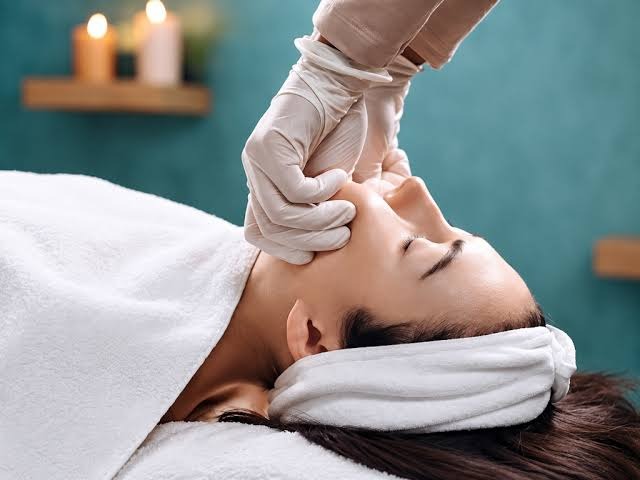
Jaw pain, facial tension, clicking, and difficulty opening the mouth can affect eating, speaking, and everyday comfort. These symptoms may be associated with temporomandibular disorders (TMD), which affect the jaw joints and the muscles responsible for chewing.
Intra-oral and buccal massage are hands-on techniques that may help address tension in certain muscles around the jaw and inside the mouth. Although the terms are sometimes used interchangeably, they can describe different approaches to working with the same general area. Understanding how each technique is performed, what it may help with, and when professional assessment is necessary can help you choose an appropriate treatment.
What Is Buccal Massage?
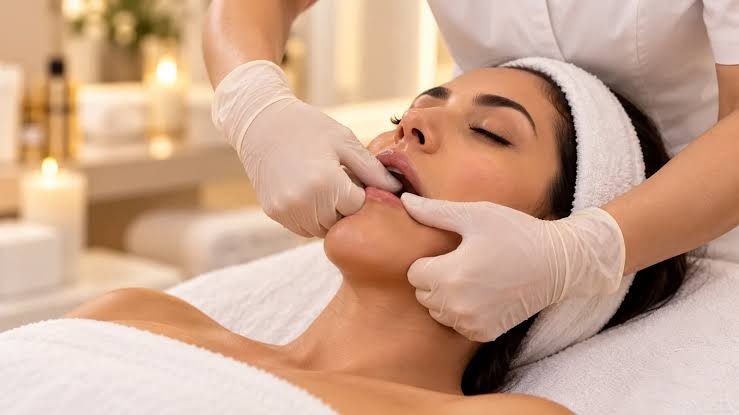
Buccal massage is a technique that involves working with the cheek muscles from inside the mouth, sometimes combined with external massage of the face. A trained practitioner typically uses gloved fingers to apply controlled pressure to selected areas of the cheek and surrounding muscles.
The technique may focus on the masseter and buccinator muscles, which contribute to chewing and cheek movement. Depending on the treatment approach, the practitioner may also work with nearby facial muscles.
People may consider buccal massage when they experience:
- Tightness in the cheeks or jaw muscles.
- Muscle fatigue associated with chewing or clenching.
- Facial tension that accompanies stress.
- Discomfort associated with muscular TMD symptoms.
The benefits of buccal massage may include temporary relief from muscular tightness and improved comfort in the treated area. However, outcomes vary, and evidence specifically supporting buccal massage for TMD remains limited.
Buccal massage should not be painful or forceful. A practitioner should explain the procedure, obtain consent, use appropriate hygiene precautions, and adjust pressure to your comfort.
What Is Intraoral Massage?
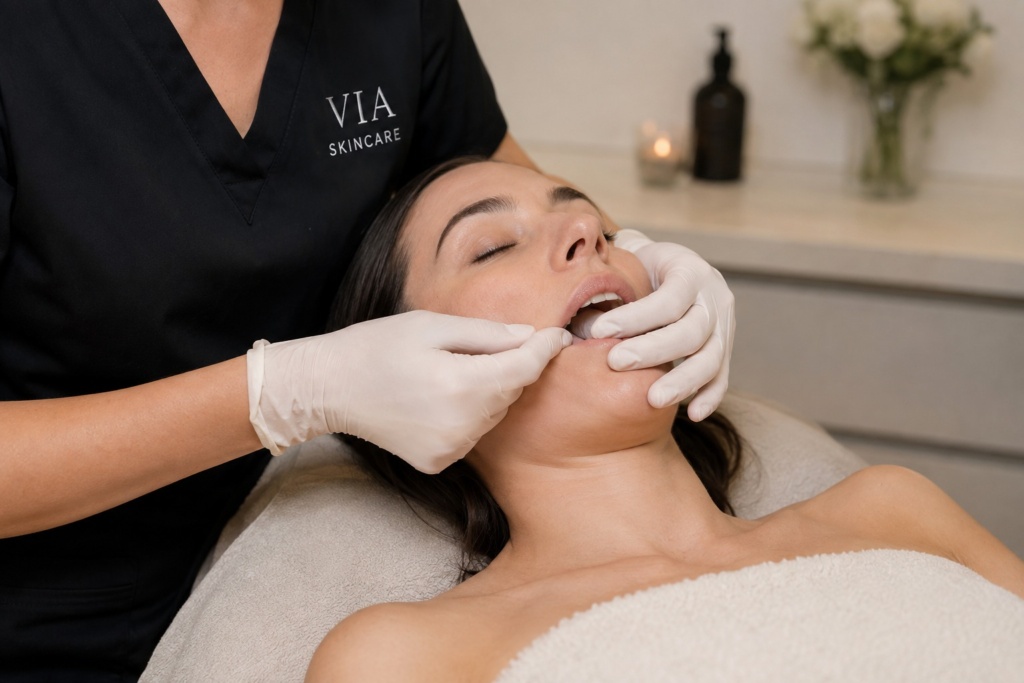
Intraoral massage is a manual technique in which a trained practitioner works on selected structures inside the mouth using gloved fingers. Depending on the treatment plan, the practitioner may target muscles involved in jaw movement and chewing.
The technique can be used as part of a broader approach to managing muscular tension associated with TMD. It may involve the inner cheek or other accessible areas, depending on the practitioner’s training and the patient’s needs.
A session may involve:
- Assessment of jaw movement and muscular tenderness.
- Gentle pressure applied to selected muscles inside the mouth.
- Coordination with external techniques when appropriate.
- Monitoring of discomfort and adjustment of pressure throughout treatment.
The phrase what is intraoral massage refers to this general category of hands-on treatment inside the oral cavity. Buccal massage can be considered a specific approach within the broader category of intraoral techniques, although terminology and methods vary among practitioners.
Intraoral massage does not reposition the jaw joint or correct every cause of TMD. If symptoms arise from joint damage, inflammatory conditions, dental problems, or other causes, a different treatment approach may be needed.
Buccal vs. Intraoral Massage: Key Differences
Buccal and intraoral massage overlap considerably. Buccal massage generally focuses on the cheek muscles and may combine internal and external facial work, while intraoral massage is a broader term for manual techniques performed inside the mouth.
Neither technique is automatically better for TMD. The choice depends on the symptoms, the structures involved, the practitioner’s qualifications, and whether internal treatment is appropriate.
How Each Technique Is Performed
Buccal massage typically involves controlled pressure on the inner cheek, sometimes with the other hand supporting or working on the outside of the face.
Intraoral massage may use different manual approaches to access selected muscles inside the mouth. The precise technique depends on the practitioner’s training and the treatment objective.
Both approaches should involve informed consent, appropriate glove use, and clear communication throughout the appointment.
Which Muscles and Areas Are Targeted
The muscles targeted may overlap, particularly around the cheeks and jaw. A practitioner may work with the masseter, buccinator, or other accessible muscles involved in chewing and jaw movement.
The specific areas selected should reflect the person’s symptoms rather than a standard routine. Internal massage is not suitable for every painful area or every type of TMD.
Pressure, Comfort, and Treatment Experience
Both techniques can involve pressure on sensitive tissues. Some people find this tolerable, while others experience discomfort or prefer external treatment.
The practitioner should explain what they plan to do and allow you to stop or change the treatment at any point. Sharp pain, excessive pressure, or worsening symptoms are reasons to stop.
| Feature | Buccal massage | Intraoral massage |
| Main approach | Often focuses on cheek muscles from inside the mouth, sometimes combined with external facial work | Broad category of manual techniques performed inside the mouth |
| Treatment area | Primarily cheek and nearby facial muscles | Selected accessible oral and jaw muscles, depending on the technique |
| Common objective | Address muscular tightness and facial tension | Address muscular tension or discomfort associated with jaw movement |
| Hygiene | Requires gloves and appropriate oral-contact precautions | Requires gloves and appropriate oral-contact precautions |
| Suitability | Depends on symptoms, oral health, and practitioner assessment | Depends on symptoms, oral health, and practitioner assessment |
The distinction is not always strict. Ask the practitioner which technique they use, which muscles they intend to address, and why it may be appropriate for your symptoms.
What Are the Benefits of Buccal Massage?
The potential effects of buccal massage are mainly related to muscular comfort and relaxation. Some people report that their cheeks or jaw feel less tense after treatment, but individual experiences do not establish that the technique is effective for every TMD condition.
Potential benefits may include:
- Temporary relief from muscle tightness: Gentle manual work may help ease the sensation of tension in the cheeks and jaw.
- Improved comfort during movement: Reducing muscular discomfort may make chewing or speaking feel more comfortable for some people.
- Facial relaxation: Hands-on treatment may help some people relax muscles that become tense during stress or clenching.
- Greater awareness of jaw tension: Treatment may help people recognise areas of tightness and discuss contributing habits with a qualified professional.
These possible effects should not be interpreted as proof that buccal massage treats the underlying cause of TMD. Research specifically evaluating the technique is limited, and it should not replace assessment or treatments recommended for a diagnosed condition.
What Are the Benefits of Intraoral Massage?
The benefits of intraoral massage may include temporary relief of muscular tenderness and improved comfort when jaw muscle tension contributes to symptoms. Its suitability depends on the cause of the discomfort and the structures being treated.
Intraoral techniques may be considered as one component of a care plan that also addresses jaw movement, clenching habits, stress, and other contributing factors.
Potential uses include:
- Working with selected jaw muscles that feel tense or tender.
- Supporting a broader plan for managing muscular TMD symptoms.
- Helping some people feel more comfortable with everyday jaw movement.
- Complementing appropriate exercises or other treatment recommended by a healthcare professional.
Evidence for manual therapy in TMD varies according to the technique and condition being studied. Intraoral massage should therefore be presented as a possible supportive treatment rather than a guaranteed solution.
Does Buccal Massage Help TMJ Symptoms?
The temporomandibular joints, commonly called TMJs, connect the lower jaw to the skull. TMD is the broader term for conditions affecting these joints, the muscles used for chewing, and related structures.
Buccal massage may help some people who experience muscle-related jaw tension, but it is not established as a universal treatment for TMD. It may be less suitable when symptoms are mainly caused by joint problems, dental conditions, inflammation, or another underlying issue.
A practitioner may discuss massage as part of a wider plan if symptoms include muscular tenderness or tension. Other measures may include appropriate jaw exercises, changes to habits that aggravate symptoms, and assessment by a dentist or healthcare professional.
Seek professional evaluation if you experience persistent jaw pain, restricted opening, repeated locking, significant swelling, or symptoms that interfere with eating. Sudden severe pain or a jaw that becomes stuck open or closed requires prompt medical or dental assessment.
Jaw Massage Benefits for TMD Relief
The potential jaw massage benefits depend on whether the symptoms are associated with muscular tension and whether the technique is appropriate for the person.
Massage may provide temporary relief for some people, but it does not address every cause of jaw pain. Treatment should be tailored to the symptoms and used alongside other recommended care where necessary.
People with muscular jaw discomfort may benefit from a plan that includes:
- Gentle, comfortable jaw movement as recommended by a healthcare professional.
- Awareness of daytime clenching and unnecessary jaw tension.
- Avoiding chewing gum or very hard foods when these aggravate symptoms.
- Stress-management strategies when stress contributes to clenching.
- Professional assessment when pain persists or movement becomes restricted.
Avoid forceful self-massage or attempting to manipulate the jaw joint into position. If a technique increases pain or causes new symptoms, stop and seek advice.
Is Intraoral or Buccal Massage Better for TMD?
Neither technique is inherently superior for everyone. The most appropriate option depends on whether the symptoms are mainly muscular, whether internal treatment is suitable, and what other care may be needed.
When deciding between approaches, consider:
- Your symptoms: Muscle tenderness may require a different approach from joint-related pain or restricted movement.
- Your oral health: Active oral infections, open sores, and some recent dental procedures may make internal massage unsuitable.
- The practitioner’s qualifications: Choose someone trained in the technique who understands jaw anatomy and TMD-related precautions.
- Your comfort and consent: You should understand the procedure and be able to stop at any time.
- The broader treatment plan: Massage may complement appropriate exercises or professional care but should not replace necessary diagnosis.
A medical massage practitioner may help discuss muscular discomfort and possible treatment options within their scope of practice. For jaw symptoms, a dentist or healthcare professional experienced in TMD can help determine whether massage is appropriate or whether another treatment is needed.
Who Should Avoid Intraoral and Buccal Massage?
Internal massage is not appropriate in every situation. A practitioner should ask about your oral health, medical history, recent procedures, and current symptoms before starting treatment.
Postpone treatment or seek advice first if you have:
- Active cold sores, oral ulcers, or an infection in or around the mouth.
- Open wounds or recent dental surgery that has not sufficiently healed.
- Significant unexplained swelling or acute pain.
- A jaw injury or suspected fracture.
- A condition or medication that increases bleeding risk.
- Symptoms that may require urgent dental or medical assessment.
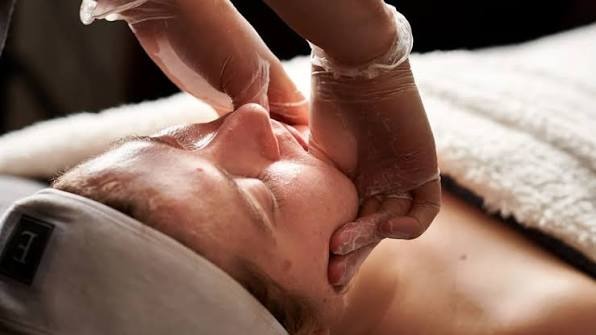
Tell the practitioner about any relevant medical conditions and medications. Do not proceed if you feel uncomfortable with the proposed technique or cannot give informed consent.
Persistent pain, repeated jaw locking, or difficulty opening the mouth should be evaluated by a qualified healthcare professional rather than managed through massage alone.
What to Expect During a TMJ Massage Appointment
An appointment should begin with a discussion of your symptoms, health history, oral health, and treatment goals. The practitioner should explain whether the session will involve external facial massage, internal techniques, or both.
During treatment, you should expect clear communication and adjustments based on your comfort. Gloves and appropriate hygiene practices are essential for any procedure involving contact inside the mouth.
Before your appointment:
- Describe where you feel pain or tightness and when it occurs.
- Mention any dental treatment, oral sores, or recent injuries.
- Ask which muscles will be treated and what the technique is intended to achieve.
- Tell the practitioner if you are anxious about internal treatment or prefer external techniques.
- Stop the session if pressure becomes painful or symptoms worsen.
You can explore services at Lenox Hill Massage and discuss whether an available treatment is suitable for your needs. A deep tissue massage may address muscular tension in other parts of the body, but it should not be assumed to be an appropriate treatment for TMD without individual assessment.