Lower back pain can make everyday activities such as sitting at a desk, commuting, exercising, and sleeping uncomfortable. For many New Yorkers, long hours at a computer, extended periods of sitting, and physically demanding work can contribute to muscle tension and stiffness.
Massage may help ease muscular discomfort and improve relaxation, although its effectiveness depends on the cause of the pain. Understanding the available techniques, knowing when massage may be appropriate, and recognising warning signs can help you make an informed decision about treatment.
What Causes Lower Back Pain?
Lower back pain can develop for several reasons. Sometimes it involves muscle tension or strain; in other cases, it may be associated with joints, discs, nerves, or an underlying medical condition.
Common contributing factors include:
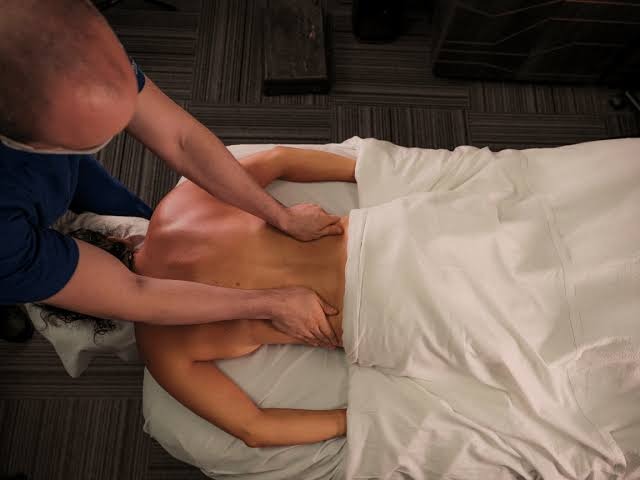
- Prolonged sitting: Spending hours at a desk or on a commute may contribute to stiffness and muscular discomfort.
- Muscle strain: Lifting heavy objects, sudden movements, or strenuous physical activity can irritate or injure lower back muscles.
- Repetitive movements: Regularly bending, twisting, or lifting at work can place repeated demands on the lower back.
- Limited physical activity: Reduced movement may contribute to stiffness and lower tolerance for everyday physical demands.
- Stress and muscle tension: Stress can increase muscle tension and make existing discomfort harder to manage.
- Underlying conditions: Arthritis, disc problems, and nerve irritation may also cause lower back symptoms.
Identifying the likely cause is important because massage is not suitable for every type of back pain. If symptoms are severe, persistent, or unexplained, consult a healthcare professional before starting treatment.
Is Massage Good for Lower Back Pain?
Massage may provide short-term relief for some people with lower back pain, particularly when muscle tension contributes to their symptoms. It can help promote relaxation, ease muscular tightness, and make movement feel more comfortable.
However, massage does not necessarily treat the underlying cause of pain. Research suggests that massage may offer short-term benefits for some people with lower back pain, but the strength of the evidence varies and long-term effects are less certain.
For some people, massage therapy for lower back pain may provide short-term relief when muscle tension contributes to their symptoms. People asking are massages good for back pain should consider massage as one part of a broader approach to managing symptoms.
When considering treatment, keep these points in mind:
- Massage may be useful as part of a broader pain-management plan.
- The appropriate technique depends on your symptoms, health history, and tolerance for pressure.
- Gentle movement and suitable exercise can complement massage.
- Persistent pain may require medical assessment or other treatments.
- Massage should not be used to delay care when warning signs are present.
A qualified therapist should ask about your symptoms and medical history before recommending a technique.
How Massage Helps Relieve Lower Back Pain
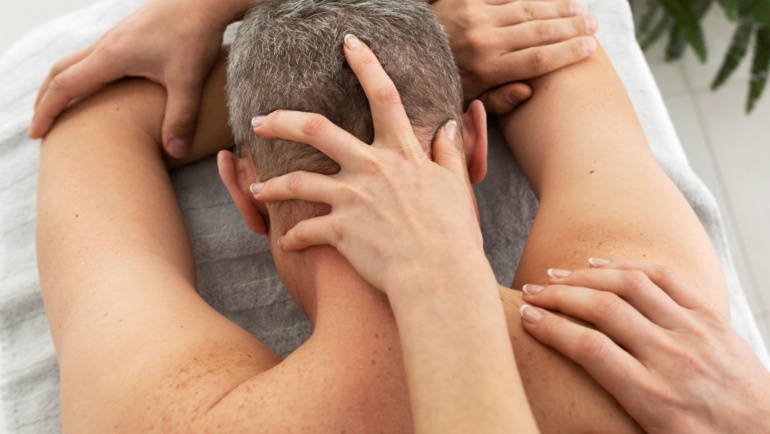
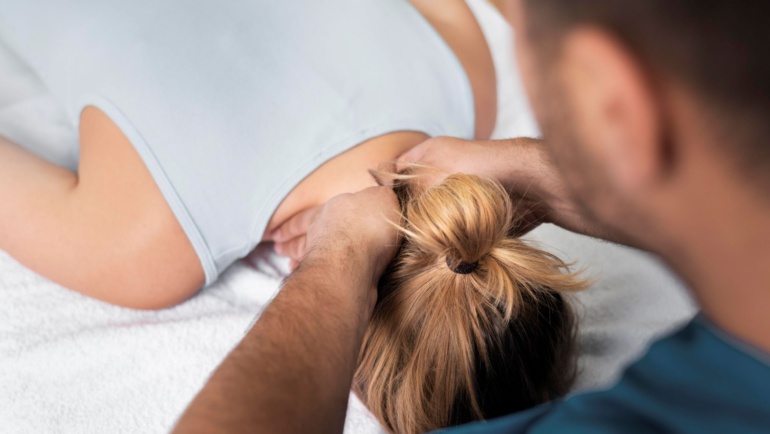
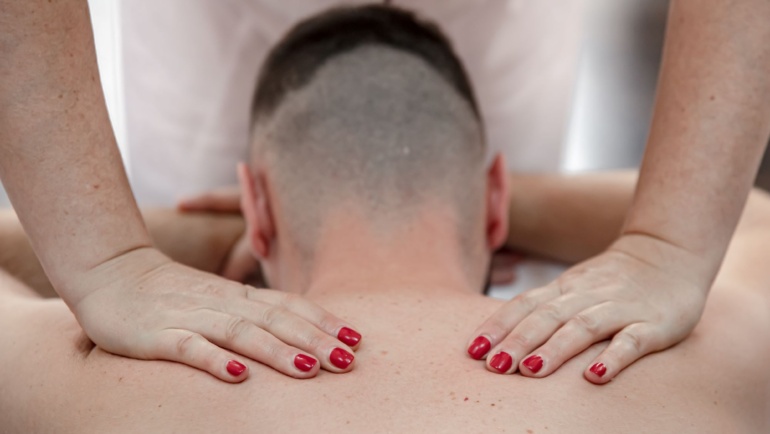
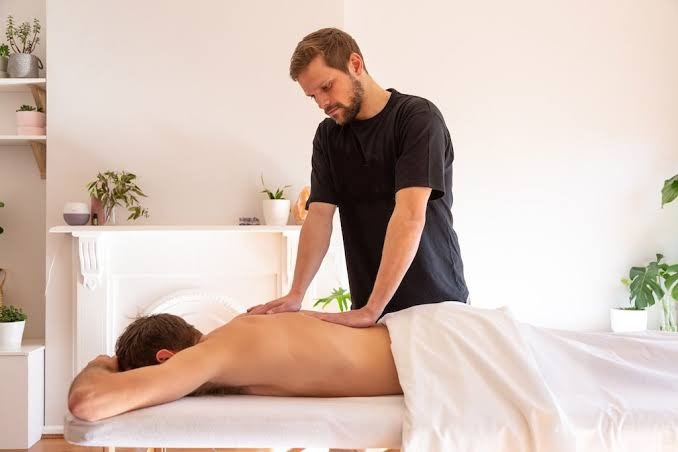
The way massage affects lower back discomfort varies from person to person. It may help reduce muscular tension, encourage relaxation, and temporarily improve comfort during movement. Understanding how massage helps lower back pain can help you set realistic expectations about treatment.
Relaxes Tight Lower Back Muscles
Muscles around the lower back can become tense after prolonged sitting, repetitive activity, or physical exertion. Targeted massage may help reduce the sensation of tightness and make everyday movements more comfortable.
For office workers, this may be particularly relevant after long periods at a computer. However, massage should be combined with regular movement breaks and adjustments to daily habits rather than treated as a permanent solution to stiffness.
May Reduce Pain and Discomfort
Gentle or appropriately targeted massage may help some people manage muscular discomfort. The pressure should be adjusted to the person’s sensitivity, and treatment should not produce sharp or worsening pain.
Whether does massage help lower back pain depends on the cause of the discomfort and the individual’s response to treatment. If you are wondering can massage help lower back pain, the answer depends on whether muscular tension is contributing to the symptoms.
Supports Mobility and Flexibility
Lower back discomfort can make bending, walking, and changing positions difficult. By helping reduce muscular tension, massage may make certain movements more comfortable.
Potential benefits may include:
- Greater comfort when standing up after sitting.
- Less perceived tightness during everyday movement.
- Easier participation in gentle stretching or exercise.
- Improved relaxation around tense muscle groups.
Massage does not replace strengthening exercises or rehabilitation when these are needed. A gradual return to normal movement is often an important part of recovery.
Helps Manage Stress-Related Muscle Tension
Stress may contribute to muscle tension and affect how people experience pain. A massage session can provide an opportunity to relax and temporarily reduce feelings of physical tension.
For people balancing work, commuting, and other daily demands in New York City, relaxation may be a useful part of a wider self-care routine. Consistent sleep, physical activity, and appropriate stress-management strategies can also support general well-being.
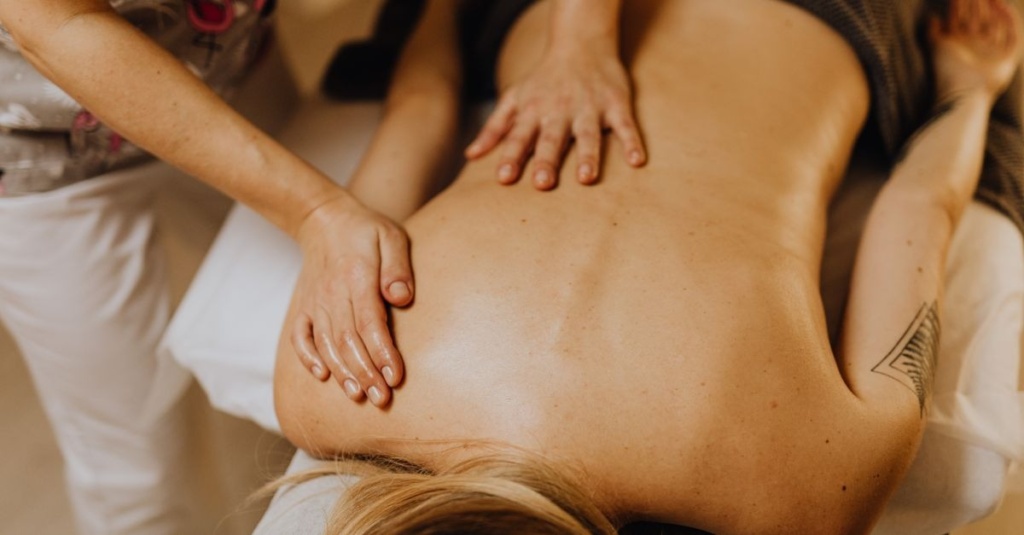
What Is the Best Type of Massage for Lower Back Pain?
The best type of massage for lower back pain depends on the nature of the discomfort, your sensitivity to pressure, and whether you have any medical restrictions. No single technique is best for everyone.
Deep Tissue Massage
Deep tissue massage uses slower strokes and more targeted pressure to address deeper muscle layers and areas of tension.
It may be considered when muscular tightness is a major concern. However, stronger pressure is not automatically more effective, and deep tissue techniques may be unsuitable for acute injuries or certain medical conditions.
Swedish Massage
Swedish massage generally uses flowing strokes and gentler pressure. It may suit people who want relaxation and relief from general muscular tension without intensive pressure.
This approach can be an option for people who find deep pressure uncomfortable or prefer a less intensive session.
Medical Massage
Medical massage focuses on specific symptoms or areas of discomfort and may be tailored to an individual’s needs.
A therapist may adapt the session according to your reported symptoms, functional concerns, and any relevant guidance from your healthcare professional. Medical massage is not a substitute for diagnosis or treatment of an underlying condition.
When comparing techniques, what type of massage is best for lower back pain should be decided based on your individual circumstances rather than the intensity of the treatment alone. Choosing what is the best massage for lower back pain depends on your symptoms, pressure tolerance, and treatment goals.
What Is the Best Way to Relieve Lower Back Pain?
The best way to relieve lower back pain depends on its cause and severity. For many uncomplicated cases, a combination of appropriate movement, self-care, and professional guidance may be more helpful than relying on a single treatment.
Options that may support recovery include:
- Stay active within your limits: Gentle walking and comfortable daily movement can help prevent unnecessary stiffness.
- Take movement breaks: If you work at a desk, change positions regularly instead of sitting continuously for hours.
- Try gentle mobility exercises: Appropriate exercises may help maintain movement, provided they do not worsen symptoms.
- Use heat when appropriate: A warm pack may temporarily ease muscle stiffness. Protect the skin and avoid excessive heat.
- Consider massage: Massage may complement other measures when muscle tension contributes to discomfort.
- Seek professional advice: A healthcare professional can help identify the cause of persistent symptoms and recommend suitable treatment.
Avoid movements that significantly aggravate the pain, and do not force stretches or massage painful areas aggressively. If symptoms persist or interfere with normal activities, arrange an assessment.
When Should You Avoid Massage for Lower Back Pain?
Massage is not appropriate in every situation. Applying pressure without understanding the cause of pain may aggravate some injuries or delay necessary medical care.
Avoid massage or seek medical advice first if you have:
- A recent significant injury or suspected fracture.
- Severe pain that is worsening rapidly.
- Fever or feeling generally unwell alongside back pain.
- A known or suspected blood clot or an active infection in the treatment area.
- A medical condition or medication that increases bleeding risk.
- Recent surgery or another condition requiring specific treatment precautions.
Seek emergency medical care if back pain is accompanied by new difficulty controlling your bladder or bowels, numbness around the groin or saddle area, or significant or progressive weakness in the legs. These symptoms can indicate a serious problem requiring urgent assessment.
New or unexplained symptoms should be evaluated rather than treated with massage alone.
When to Seek Professional Medical Care
Many episodes of lower back pain improve with time and appropriate self-care. However, medical assessment is important when symptoms are severe, persistent, recurrent, or accompanied by other concerning signs.
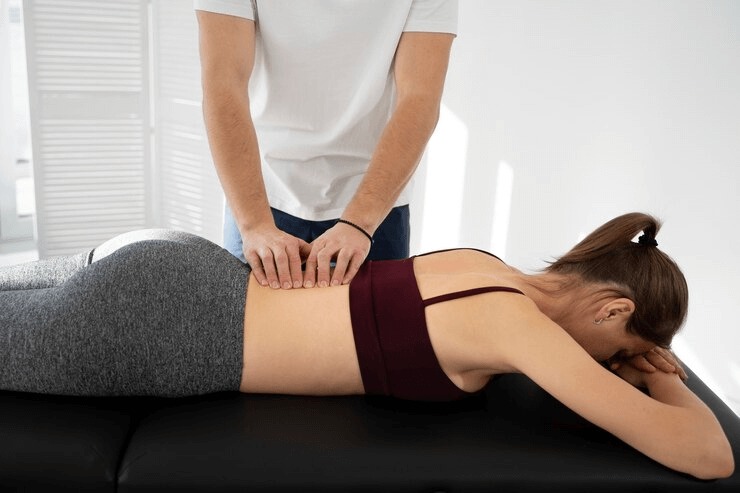
Arrange an evaluation if you experience:
- Pain that does not improve or repeatedly returns.
- Pain that travels down a leg, particularly with tingling or numbness.
- New weakness or difficulty performing ordinary activities.
- Pain following a fall, accident, or other significant injury.
- Unexplained weight loss, fever, or other unusual symptoms.
A healthcare professional can assess possible causes and determine whether you need imaging, medication, physical therapy, or another treatment. Massage may be considered as an additional measure when appropriate.
Finding Massage Therapy for Lower Back Pain in New York City
When choosing a massage provider in New York City, look for a qualified therapist who asks about your symptoms, explains the proposed treatment, and adjusts pressure to your comfort.
You can explore services at Lenox Hill Massage and compare available techniques according to your needs. When considering massage to relieve lower back pain, choose a qualified therapist who adjusts treatment to your needs.
Before booking, consider the following:
- Explain where the pain occurs and when it started.
- Mention any recent injuries, medical diagnoses, or medications that may affect treatment.
- Ask which massage technique the therapist recommends and why.
- Confirm that the therapist will adjust pressure if the treatment causes discomfort.
- Seek medical advice first if the cause of your symptoms is unclear or you have warning signs.
A suitable session should prioritise comfort and safety rather than pressure intensity. If symptoms worsen during treatment, stop the session and seek appropriate advice.