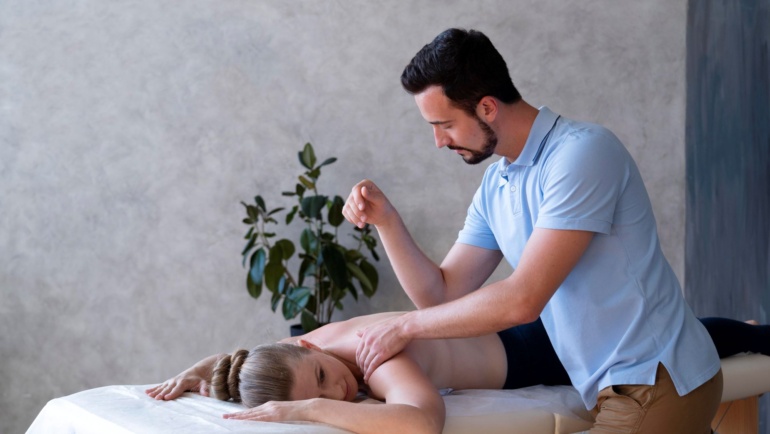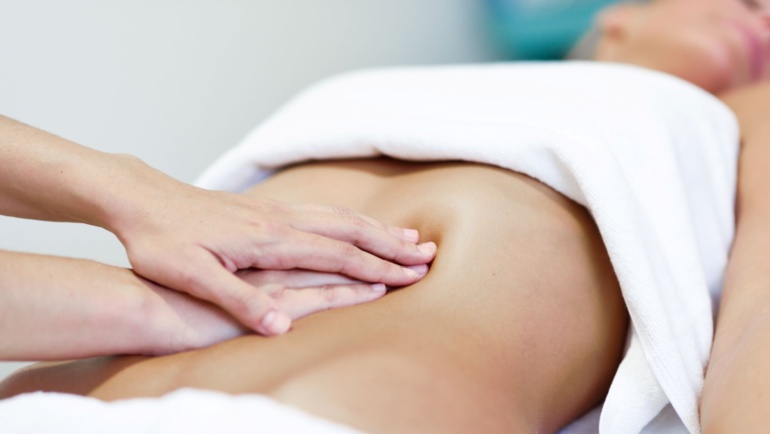
Swelling, bruising, and fluid buildup are common during recovery from surgery. Lymphatic drainage massage after surgery is a gentle technique that may help manage postoperative swelling when it is appropriate for the procedure and the patient’s condition. It uses light, rhythmic movements to encourage the movement of lymphatic fluid through the body.
However, lymphatic drainage is not suitable for every patient or every stage of recovery. The right time to begin depends on the type of surgery, the healing process, and your surgeon’s instructions. Always get medical clearance before scheduling a session.
What Is Manual Lymphatic Drainage After Surgery?
Manual lymphatic drainage (MLD) is a specialized massage technique that uses gentle, controlled movements to support the movement of lymphatic fluid. Unlike deep-tissue massage, it does not rely on forceful pressure or intensive manipulation of muscles.
After surgery, inflammation and changes in tissue fluid can contribute to swelling around the treated area. When recommended by a qualified healthcare professional, manual lymphatic drainage after surgery may help manage this swelling as part of an individualized recovery plan.
The technique and treatment area depend on the procedure performed and the patient’s condition. A session may involve gentle movements around specific areas of the body, following an approach appropriate for the patient’s recovery stage.
Lymphatic drainage massage is a supportive treatment, not a replacement for medical care. It does not replace prescribed medication, wound care, physical rehabilitation, or follow-up appointments with your surgeon.
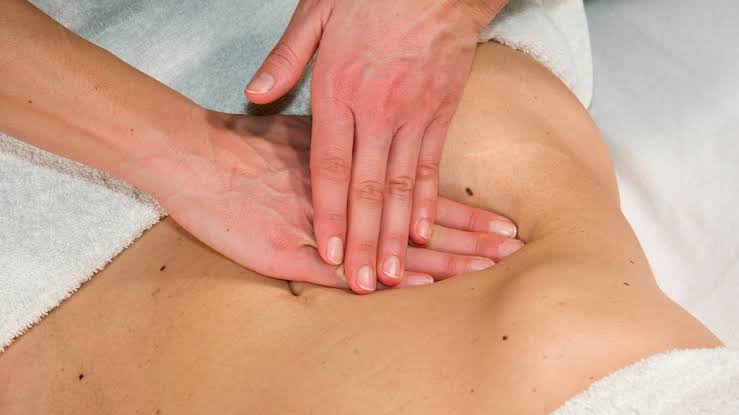
Potential Benefits of Lymphatic Drainage Massage After Surgery
The potential benefits of lymphatic drainage depend on the type of surgery, the patient’s condition, and the recommendations of the treating medical team. When appropriate, the technique may be used to support postoperative swelling management.
Potential benefits include:
- Managing swelling: Gentle movements may help support lymphatic fluid movement and reduce some types of postoperative swelling.
- Supporting comfort: Reducing swelling may make the affected area feel less tight or heavy for some patients.
- Supporting recovery routines: When included in a surgeon-approved care plan, lymphatic drainage may complement other recommended recovery measures.
- Promoting relaxation: The gentle technique may feel calming during recovery, provided the patient has been cleared for treatment.
Results vary, and lymphatic drainage does not guarantee faster healing or prevent complications such as fibrosis or seromas. It is important to follow your surgeon’s instructions and understand what the treatment can realistically achieve for your specific procedure.
When Can You Start Lymphatic Drainage After Surgery?
There is no single timeline that applies to every patient. The appropriate time to start lymphatic drainage depends on the type of surgery, the extent of tissue healing, the presence of complications, and your surgeon’s postoperative protocol.
Some patients may be cleared for gentle treatment relatively early, while others need to wait longer. Do not use a general online recommendation as a substitute for individualized medical advice.
The following factors can help explain what determines when treatment may be appropriate.
| Factor | What to Know Before Starting Lymphatic Drainage |
| Type of surgery | Different procedures require different recovery timelines and treatment precautions. |
| Healing progress | Incisions, bruising, swelling, and tissue sensitivity may affect when massage is appropriate. |
| Surgeon’s approval | Confirm when you can start and which areas or techniques should be avoided. |
| Postoperative complications | Suspected infection, a blood clot, or unexplained swelling requires medical assessment before massage. |
| Treatment technique | Pressure and movements should be appropriate for your procedure and stage of recovery. |
The appropriate timing varies by patient and procedure. Always follow your surgeon’s instructions before starting lymphatic drainage massage.
Why Surgeon Approval Matters
Surgery affects tissues differently depending on the procedure. Incisions, healing tissues, drains, and areas of inflammation may require specific precautions. Starting a massage too early or applying inappropriate pressure could interfere with recovery.
Before booking, ask your surgeon whether lymphatic drainage is appropriate for you and whether there are any restrictions on the treatment area, pressure, or timing.
Your surgeon may also advise you to postpone treatment if you have signs of infection, an unresolved wound issue, or another postoperative concern.

What Affects the Timing of Treatment?
Several factors can influence when lymphatic drainage may be appropriate:
- Type of surgery: Liposuction, breast procedures, abdominal surgery, and orthopedic operations involve different tissues and recovery protocols.
- Healing progress: The condition of incisions and surrounding tissues affects which treatments may be appropriate.
- Postoperative complications: Infection, unusual swelling, suspected blood clots, or other complications require medical assessment before massage.
- Medical instructions: Your surgeon may specify when treatment can begin, which areas to avoid, and what techniques are permitted.
- Individual health factors: Existing health conditions and medications may affect recovery and treatment suitability.
Once you have medical clearance, share your postoperative instructions with your massage therapist before the first session.
Lymphatic Drainage After Breast Surgery and Knee Surgery
Lymphatic drainage may be considered after certain breast or knee procedures, but the approach depends on the operation and the patient’s recovery plan. It should not be assumed to be appropriate after every procedure.
Lymphatic Drainage Massage After Breast Surgery
After breast surgery, swelling, bruising, and temporary changes in tissue sensitivity may occur during recovery. Whether lymphatic drainage is appropriate depends on the specific procedure, such as breast augmentation, reduction, reconstruction, or a breast lift.
Lymphatic drainage massage after breast surgery should only be performed after the surgeon confirms that treatment is appropriate. The therapist must follow instructions about healing incisions, sensitive areas, implants or reconstructed tissues, and any restrictions on pressure or positioning.
Do not massage directly over healing incisions or surgical sites unless your medical team has specifically approved it. If swelling increases unexpectedly, or you notice worsening redness, warmth, fever, or unusual discharge, contact your surgeon rather than booking a massage.
Lymphatic Drainage After Knee Surgery
After knee surgery, swelling can affect comfort and mobility. However, procedures such as knee replacement, ligament reconstruction, and meniscus surgery have different rehabilitation protocols.
Lymphatic drainage after knee surgery may be considered in selected cases as part of a clinician-approved recovery plan. It does not replace prescribed exercises, mobility training, wound care, or other components of rehabilitation.
If your main goal is to restore knee movement, strength, and function, ask your medical team whether physical rehabilitation is appropriate. You can also learn about our physical therapy services.
Do not massage a leg with new or unexplained swelling, calf pain, warmth, or redness until you have received medical advice. These symptoms can indicate a serious complication, including a blood clot, and require prompt assessment.

What to Expect During a Post-Surgery Lymphatic Drainage Session
A post-surgery session should be adapted to your procedure, stage of recovery, and medical instructions. It should not be treated like a standard relaxation or deep-tissue massage.
A typical appointment may include the following steps:
- Discussing your recovery: The therapist asks about the surgery, when it took place, your current symptoms, and any restrictions provided by your surgeon.
- Reviewing treatment suitability: The therapist considers the information you provide and whether the planned session falls within the approved treatment parameters. Medical concerns should be referred to your healthcare provider.
- Using gentle movements: Manual lymphatic drainage involves light, rhythmic skin-stretching movements rather than deep pressure on muscles.
- Adapting the session: The treatment area, positioning, and technique should reflect your recovery stage and any instructions from your medical team.
- Reviewing aftercare: Follow your surgeon’s instructions regarding activity, hydration, wound care, and compression garments. Do not change your postoperative care routine based solely on massage advice.
Tell your therapist about any pain, unusual swelling, recent changes in your condition, or restrictions on movement. The session should never involve forceful pressure on healing tissues or cause you to push through pain.
How Many Lymphatic Drainage Sessions Do You Need After Surgery?
There is no standard number of sessions for every postoperative patient. Some people may need only a limited number of appointments, while others may have a treatment schedule recommended by their surgeon or rehabilitation team.
The appropriate frequency depends on:
- The type and extent of surgery.
- The amount of swelling and how it changes over time.
- The stage of healing and any postoperative complications.
- Your surgeon’s recommendations and overall recovery plan.
- How you respond to treatment.
Rather than committing to a fixed package before your first appointment, discuss your needs and medical clearance with the provider. Your treatment plan should be adjusted according to your recovery and your healthcare team’s guidance.
Lymphatic drainage is intended to support recovery when appropriate, not to guarantee a particular result or replace follow-up care.
Is Lymphatic Drainage Safe After Surgery?
Lymphatic drainage may be appropriate for some patients after surgery, but safety depends on the procedure, healing progress, and current medical condition. Even though the technique uses gentle pressure, it is not automatically safe at every stage of recovery.
Before treatment, obtain clearance from your surgeon and inform the therapist about your procedure, medications, symptoms, and postoperative restrictions.
Treatment may need to be postponed if you have:
- A suspected or confirmed blood clot that has not been medically cleared for treatment.
- Signs of infection, including fever or worsening redness and warmth.
- An unhealed wound or a complication that requires medical assessment.
- New, unexplained, or rapidly worsening swelling.
- Any other condition for which your medical team has advised against massage.
Seek prompt medical attention for concerning postoperative symptoms rather than attempting to manage them with massage. Sudden shortness of breath, chest pain, or fainting requires emergency medical care.
Compression garments, prescribed exercises, and other recovery measures should be used according to your surgeon’s instructions. Lymphatic drainage is an additional treatment when appropriate, not a substitute for postoperative monitoring.
Where to Get Lymphatic Drainage Massage in Manhattan
If you are looking for lymphatic drainage massage in Manhattan after surgery, choose a provider who understands the gentle nature of the technique, asks about your medical history, and respects your surgeon’s instructions.
At Lenox Hill Massage & Physical Therapy, located at 261 E 78th St on Manhattan’s Upper East Side, we offer lymphatic drainage massage as part of our massage services.
Before booking a post-surgery session, contact our team to discuss your needs, confirm whether the service is appropriate for your situation, and clarify any medical clearance or documentation required. Your surgeon’s instructions should guide the timing and limitations of treatment.
Learn more about our lymphatic drainage massage service and contact the practice to discuss scheduling.
The goal is to make an informed choice about supportive care while keeping your recovery plan and medical team’s recommendations at the center of treatment.