
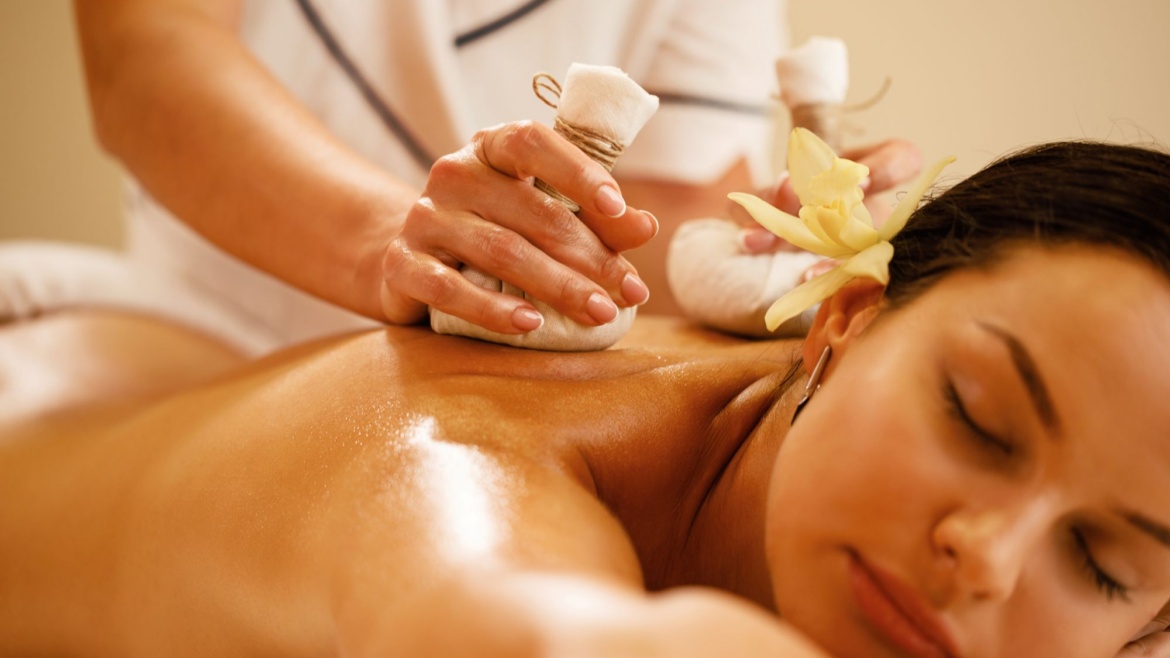
Thai massage combines rhythmic pressure, guided movements and stretching techniques to help address muscle tension and stiffness. At Lenox Hill Massage & Physical Therapy, your therapist tailors the session to your comfort, flexibility and individual needs, focusing on areas that feel tight or overworked. Whether you want to unwind after a busy day or support your mobility, treatment is adapted to your preferences and goals.
60 Minutes | $140
The Art of Traditional Thai Massage
Traditional Thai Massage is a bodywork practice that combines rhythmic pressure with assisted stretching and controlled movements. Unlike massage styles that primarily use continuous gliding strokes, this approach may involve applying pressure to selected areas and guiding the body through comfortable positions.
The techniques can be adapted to your flexibility, pressure preferences and areas of tension. Depending on your needs, a session may focus on:
- Easing everyday muscle tightness and stiffness.
- Supporting comfortable movement and flexibility.
- Encouraging physical relaxation.
- Addressing areas that feel restricted after prolonged sitting or physical activity.
The intensity and techniques should always reflect your comfort level. Your therapist can discuss your preferences before the session and make adjustments throughout the treatment.
Benefits of Thai Massage
Thai massage may offer several benefits for people who experience muscle tightness, limited flexibility or physical fatigue from daily activities. The specific effects vary depending on the techniques used and your individual needs.
Potential benefits include:
- Improved flexibility: Assisted movements and stretching may help support a comfortable range of motion.
- Reduced muscle tension: Rhythmic pressure can help relax areas that feel tight or overworked.
- Greater movement comfort: Working with stiff muscles may make everyday movements feel more comfortable.
- Physical relaxation: A personalized session can provide time to unwind and release accumulated tension.
- Support for an active lifestyle: Targeted bodywork may help address muscular tightness associated with exercise and repetitive movements.
Massage is a complementary wellness service rather than a substitute for medical evaluation or treatment when persistent pain or other symptoms require professional attention.
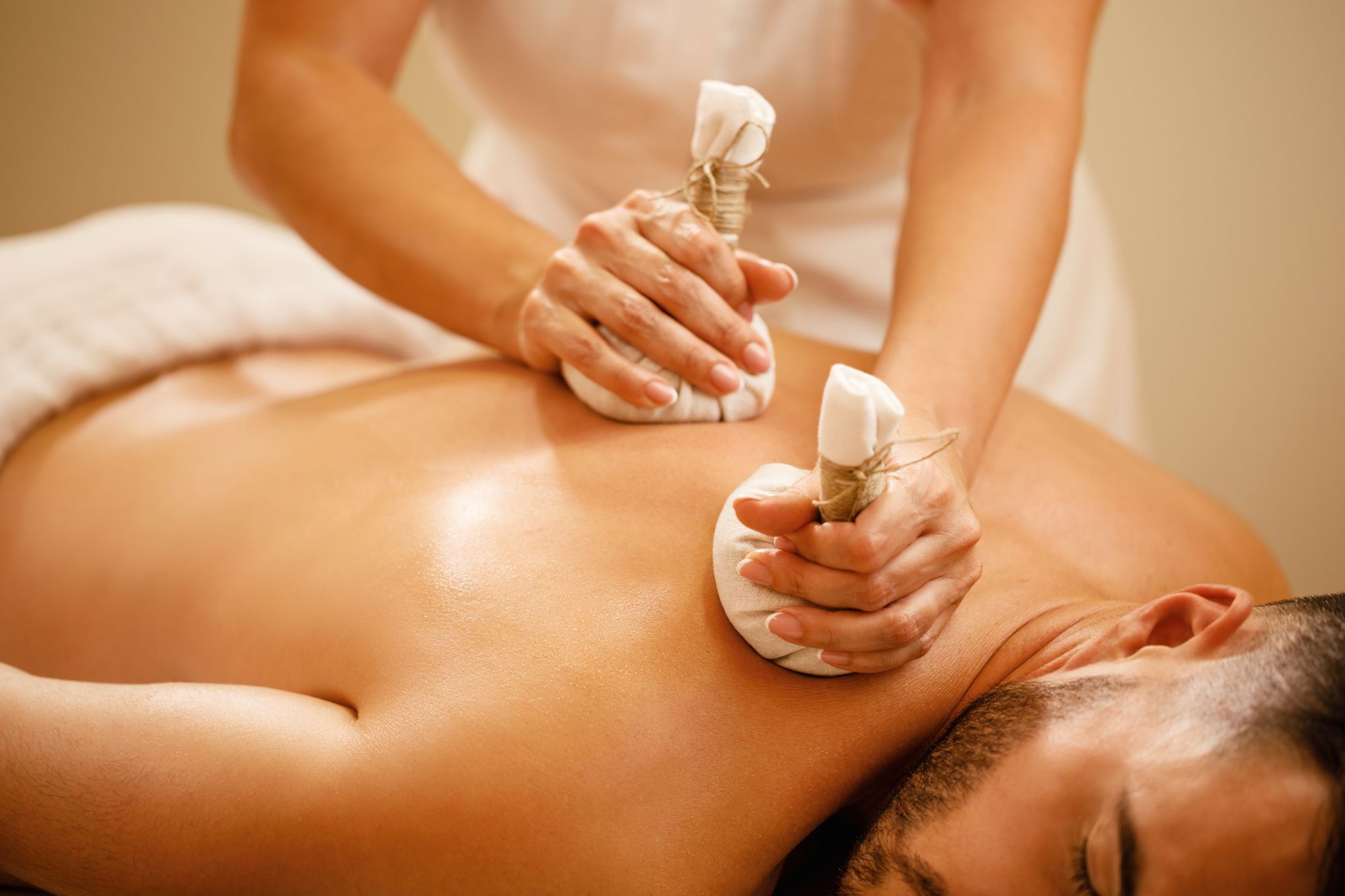
Techniques Used in Thai Massage
The techniques used during a session depend on your preferences, flexibility and the areas that need attention. Your therapist can adjust the pressure and movements to keep the experience comfortable.
Rhythmic Pressure
Controlled pressure is applied to selected areas of the body to address muscle tightness. The intensity can be modified according to your comfort and sensitivity.
Assisted Stretching
Thai massage stretching involves guided movements that gently lengthen muscles and encourage comfortable mobility. Depending on your flexibility, your therapist may assist with stretches targeting areas such as the hips, back, shoulders and legs.
Controlled Body Movements
Some traditional techniques involve guided changes in body position. These movements are adapted to your abilities and should never require you to push beyond a comfortable range.
Focused Muscle Work
If certain areas feel particularly tight, the therapist may spend additional time addressing them. This allows the session to reflect your individual needs rather than following the same sequence for every client.
The exact combination of techniques depends on the treatment format offered and should be discussed before your appointment.
What to Expect During Your Thai Massage Session
Your appointment begins with a brief discussion about your goals, pressure preferences and any areas of concern. This helps your therapist determine which techniques may be appropriate for you.
A typical session includes the following steps:
- Initial consultation: Discuss your comfort level, areas of tension, relevant health concerns and treatment preferences.
- Personalized approach: Your therapist selects suitable techniques based on your needs and mobility.
- Massage and stretching: The session focuses on selected muscle groups and movements, with adjustments made as needed.
- Comfort checks: You can request lighter or firmer pressure, modify a movement or ask to avoid a particular area.
- Post-session guidance: If appropriate, your therapist may suggest simple ways to support comfort and mobility between appointments.
Before your visit, ask the practice about the session format, including what to wear and whether the treatment involves a massage table, mat or oil.
Who Benefits From Therapeutic Thai Massage
Thai massage may be an option for people whose daily routines, work habits or physical activities contribute to muscle tightness and restricted movement. The suitability of this approach depends on individual health considerations, mobility and personal preferences.
This service may be worth considering if you:
- Spend extended periods sitting at a desk or working in one position.
- Have an active lifestyle and want to incorporate massage into your wellness routine.
- Prefer a massage experience that may include guided stretching.
- Want a session tailored to your comfort level and treatment preferences.
Thai massage is not appropriate for every condition. If you have a recent injury, have undergone surgery or have a medical condition that may affect the safety of massage, consult your healthcare provider and inform your therapist before treatment.
Thai Massage at Lenox Hill Massage & Physical Therapy
At Lenox Hill Massage & Physical Therapy, our team takes an individualized approach to massage, considering your comfort, preferences and areas of tension. If you are comparing options for Thai massage Manhattan, our Upper East Side location offers convenient access to professional massage services in NYC.
For those searching for Thai massage near me, our practice is located at 261 E 78th St, New York, NY 10075. Your therapist can discuss your goals and help you understand which available service best fits your needs.
Depending on your preferences, you can also ask about a full body session or a treatment focused on specific areas of tension. The areas addressed and techniques used can be discussed before your appointment.
Explore our Massage Therapy services to learn more about available treatments, or contact Lenox Hill Massage & Physical Therapy to ask questions and schedule your visit.


